The Sierra de las Nieves World Biosphere Reserve isn’t just discovered by walking its trails, admiring its pinsap forests, or exploring its white villages; it’s also experienced by sitting down to a meal. Its cuisine is a gateway to the region’s history, a way to understand the bond between its people and the landscape through simple, honest cooking that is deeply rooted in the land and its traditions.
Traditional Mediterranean cuisine revolves around its star ingredient: olive oil, considered the cornerstone of local cuisine. It is the foundation for hearty soups, stews, meats, vegetables, desserts, and fried foods, whose recipes have been passed down from generation to generation.
Here, the cuisine reflects its surroundings. The pantry is stocked with fresh, locally sourced ingredients: from seasonal vegetables, olives, almonds, grains, and legumes to wild delicacies such as asparagus, mushrooms, and chickweed. Added to this are goat, lamb, rabbit, pork, and game, which continue to set the tone for local cuisine depending on the season.
The traditional cuisine of the Sierra de las Nieves has a very long history. It originated in homes, roadside inns, village bars, and folk celebrations. It is the art of making the most of what’s available, of slow cooking, and of humble ingredients that, when prepared with care, are transformed into dishes rich in local character.
Among them, soups made with bread and vegetables stand out as the best example of this heritage. In many towns, the combination of bread, olive oil, garlic, and wild vegetables gives rise to hearty dishes, ideal for regaining strength after a day’s work or a hike in the mountains. These very basic ingredients once served to fill the stomachs of very humble families.
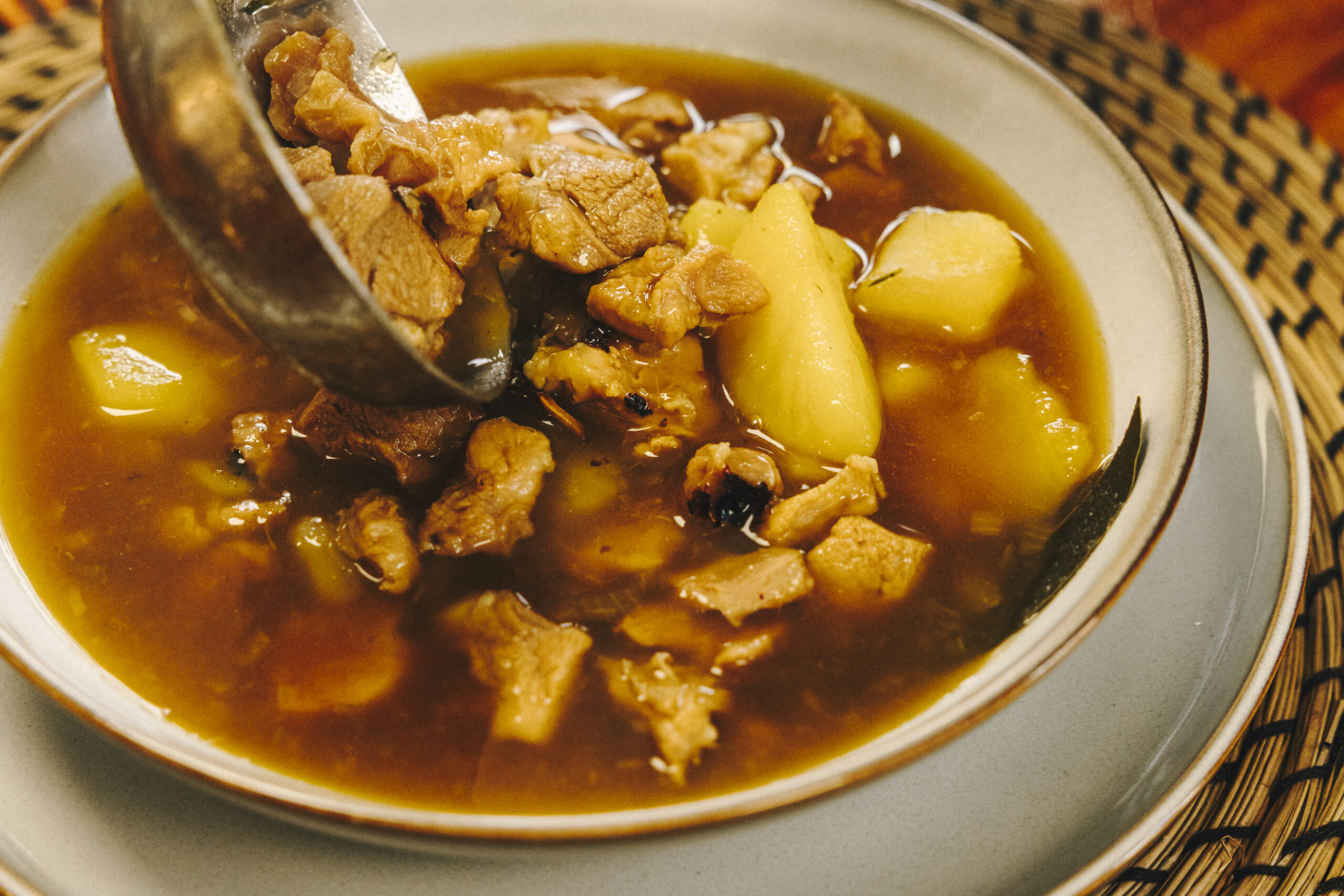
Among the most iconic dishes is sopa mondeña, one of Monda’s greatest culinary symbols. This dish, a cornerstone of local identity, even has its own festival— Sopa Mondeña Day—an event that transforms this culinary tradition into an unforgettable tourist and cultural experience.
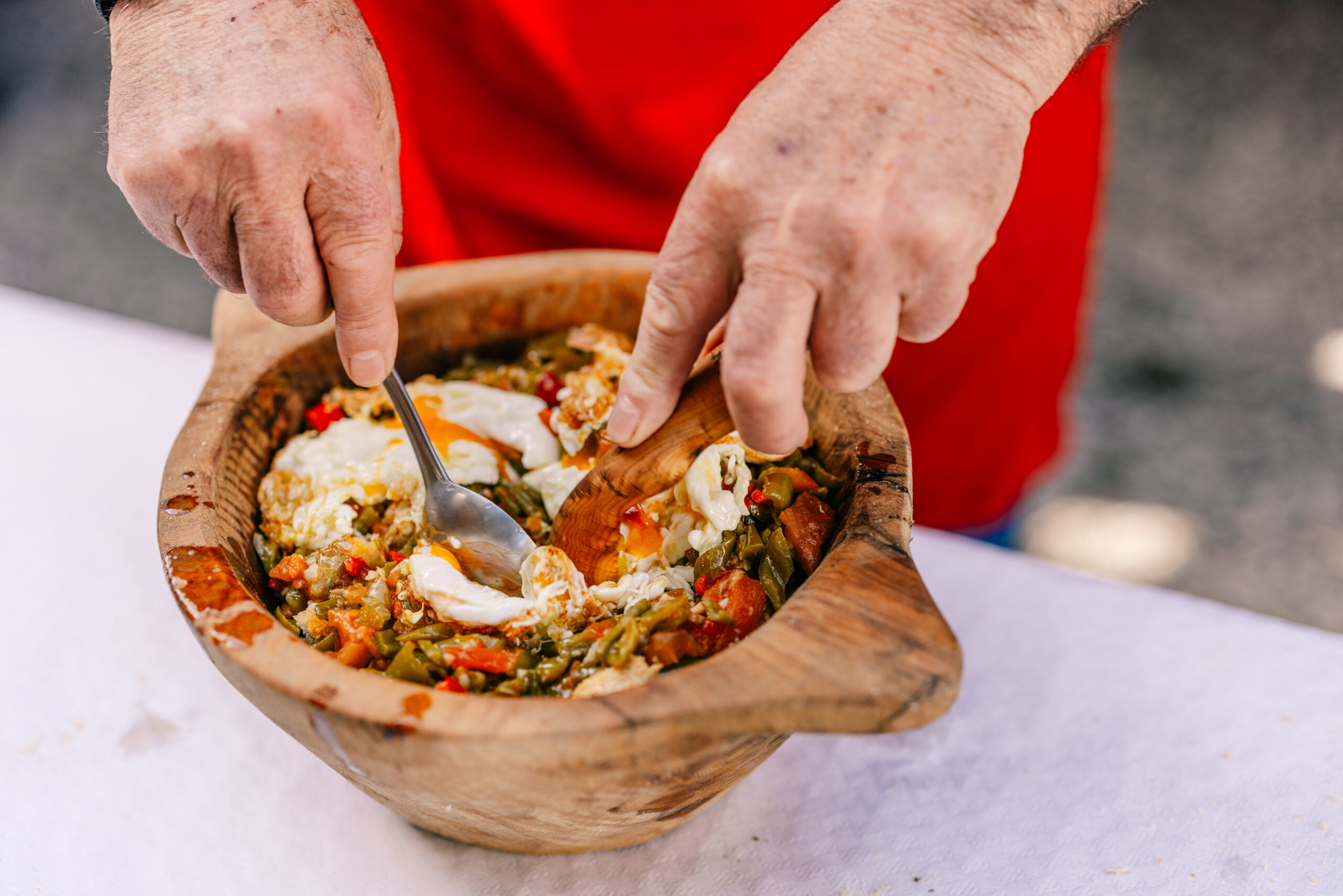
The recipe collection also includes gems such as El Burgo’s “soup of the seven branches,” stewed soups, migas, cabbage stew, gazpachuelo, corn soup, vegetable stews, porra with egg, and cod salmorejo. In short, these are dishes that reflect a cuisine rooted in the climate, the hard work of the countryside, traditions, the cycles of life, and a philosophy where waste has no place.
The Sierra de las Nieves region boasts a diverse array of local produce, closely tied to the variety of its landscapes. The olive groves provide olive oil and table olives; the vegetable gardens yield fresh vegetables; the mountains offer asparagus, mushrooms, aromatic herbs, and tagarninas; while local livestock production is responsible for meats and cheeses with an unmistakable mountain character. Along with these, we mustn’t forget other products that are so characteristic of the region, such as honey.
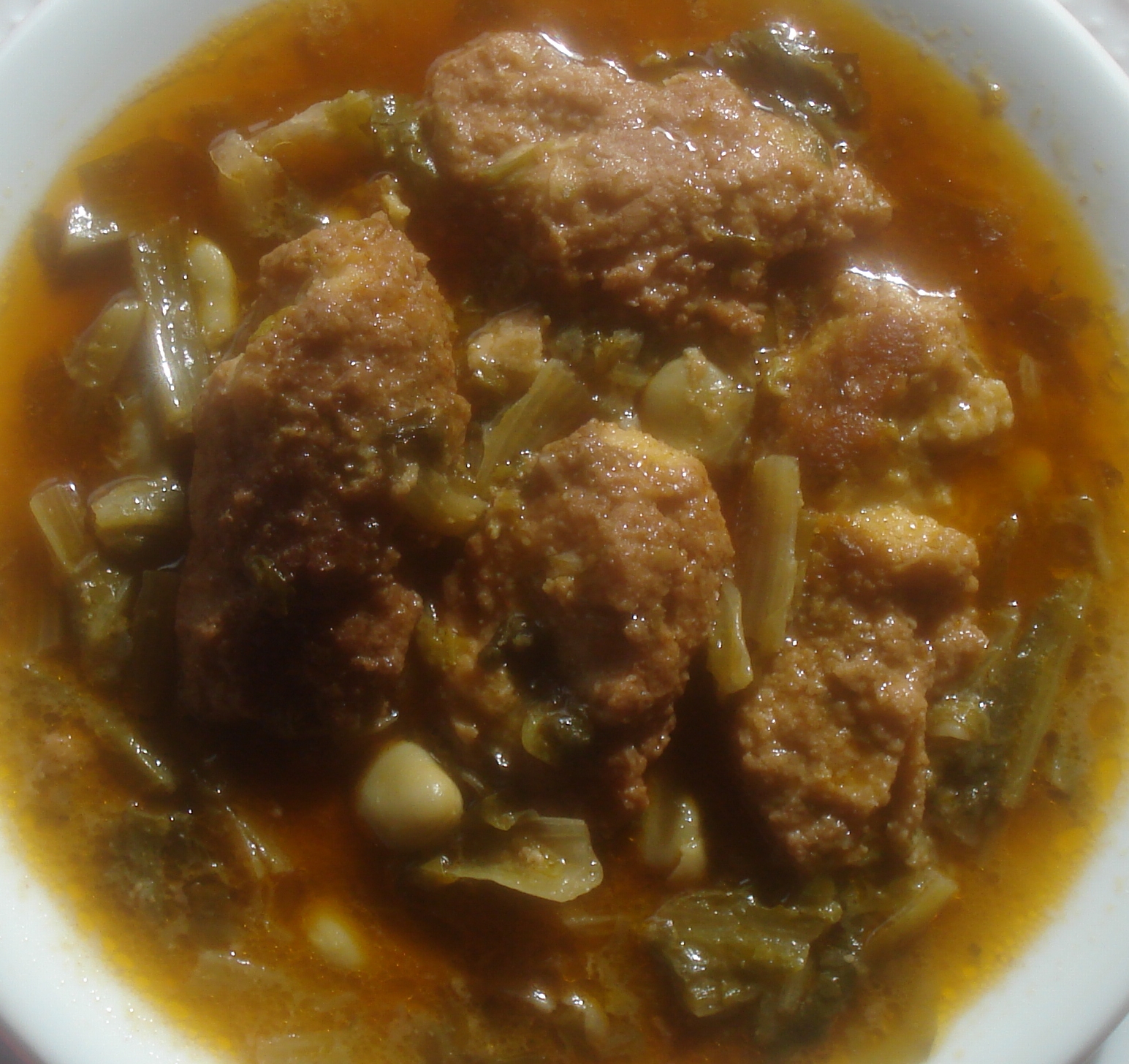
But it’s true that each municipality adds its own unique touch to this array of flavors. In Alozaina, for example, table olives share the spotlight with deeply rooted dishes such as cod stew, porra with egg, poncima soups, and fig bread—not to mention such iconic sweets as arrope and honey doughnuts.
Nearby, in Monda, in addition to its famous “sopa mondeña,” other highlights include extra-virgin olive oils, cod salmorejo, “potaje de vigilia,” and dishes made with goat meat.
For its part, Istán has preserved culinary treasures such as corn soup, cabbage stew, migas, hearty soups, fried rabbit, and alfajor wine doughnuts.
That same mountain heritage is evident in Casarabonela, where wild plants from the surrounding area are masterfully used to flavor meats with a taste of the mountains, resulting in impeccable stews such as rabbit with garlic or goat “a la pastoril.”
The culinary journey culminates in Benahavís. Rightfully known as “the dining room of the Costa del Sol,” this town combines the tradition of mountain cuisine with the vibrancy of creative tapas and contemporary dining. Among its most popular dishes are top-quality meats such as marinated pork tenderloin, rabbit stew, lamb, venison, and suckling pig.
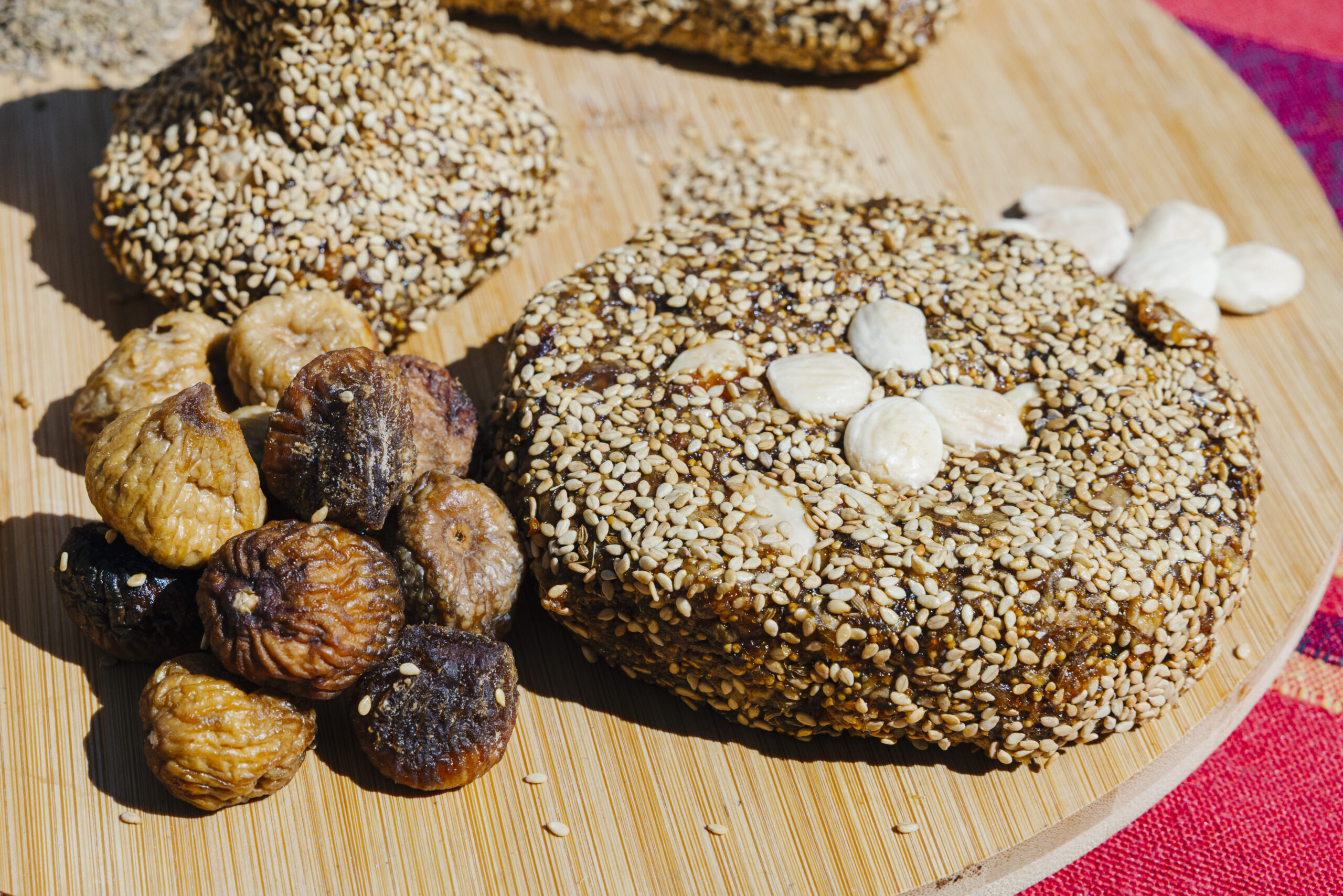
Eating in the Sierra de las Nieves is much more than just sitting down at a table. It’s an ethnographic and cultural experience. Here, gastronomy and cuisine aren’t merely a service; they represent the thread that connects travelers to the daily pulse of the destination.
The feast usually begins lightly but intensely with appetizers such as scrambled eggs with wild asparagus or wild mushrooms, artisanal cured meats, goat cheese, fresh salads, and seasoned olives. After the appetizers, hearty stews, slow-cooked casseroles, vegetable stews, and traditional soups take center stage—soups whose ingredients vary depending on the town and the season.
As the publication *Traditional and New Cuisine in the Sierra de las Nieves*—published as part of the region’s Tourism Revitalization Plan—aptly notes, the local recipe collection is another way of mapping the territory. Each dish is an edible map that tells the story of its trails, valleys, and villages; a reflection of its history, its celebrations, and its family heritage.
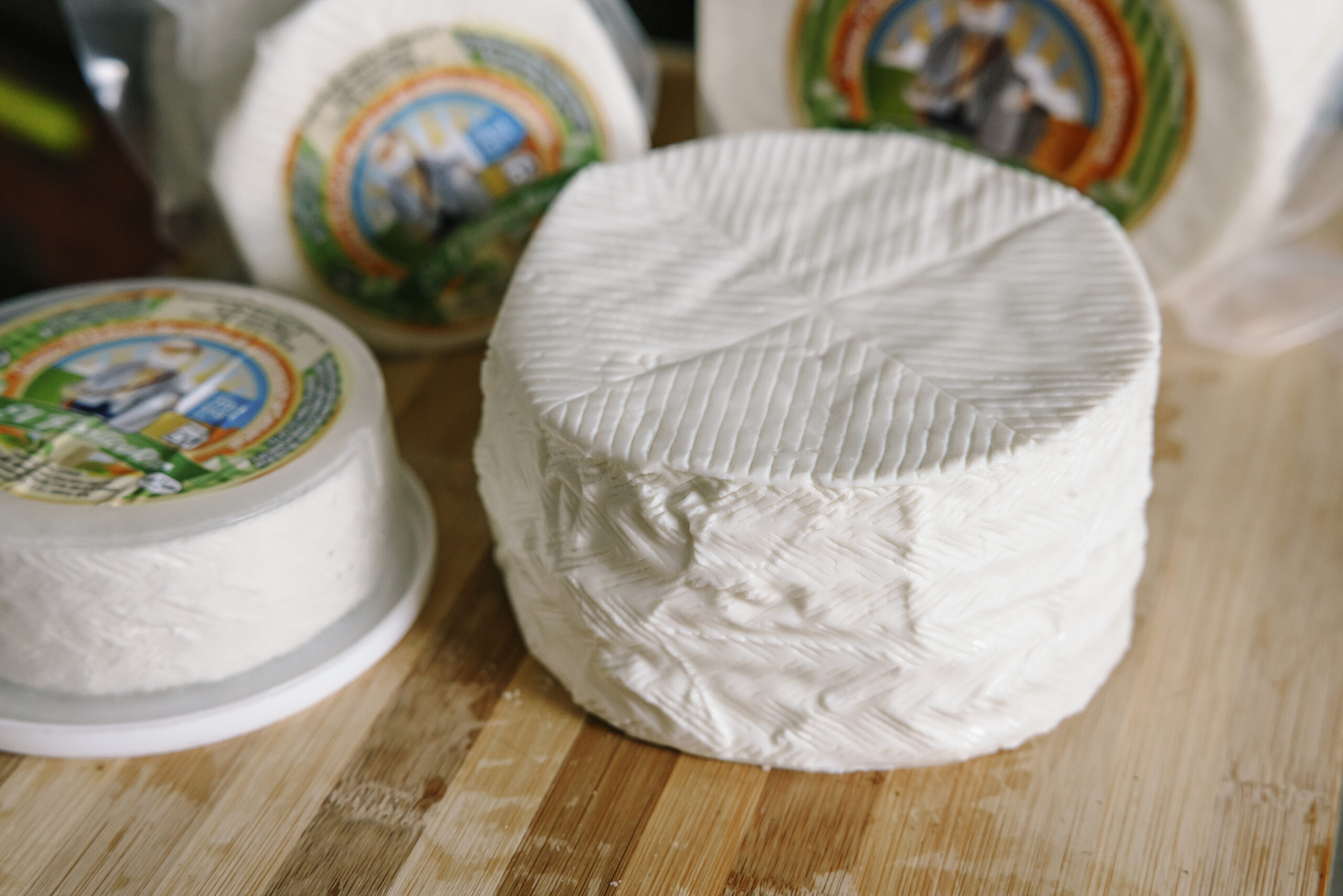
The final treat in the Sierra de las Nieves is always a sweet one. Fig bread, rosquillas made with sugar syrup and honey, roscos de vino, and almond pastries paint a picture of homemade desserts that are closely tied to the festive calendar and family gatherings.
The region’s food festivals have established themselves as the perfect excuse to discover the destination from its most authentic roots. Events such as Orange Day in Istán, local fairs, and tapas festivals transform cuisine into a shared cultural experience. At these gatherings, locals cook in full view of everyone, share their culinary secrets, and invite visitors to become part of a vibrant community.
A cuisine that blends tradition and innovation
Although the recipes of the Sierra de las Nieves are deeply rooted in the past, its cuisine looks resolutely toward the future. Today, a new wave of restaurants is reinterpreting traditional dishes using contemporary techniques, paying close attention to presentation and showcasing local ingredients with a fresh perspective.
Tradition and innovation do not compete; they coexist: classic flavors find new ways of presentation to entice travelers seeking authenticity, quality, and surprise.
Thanks to this balance, there is a vast array of options: from a comforting lunch at a roadside diner to cutting-edge tapas, extra virgin olive oil tastings, or culinary experiences combined with rural accommodations and nature activities.
In short, the cuisine of the Sierra de las Nieves World Biosphere Reserve is nothing more and nothing less than the landscape itself served on a plate. It’s olive oil, bread, vegetable gardens, the mountains, honey… but it’s also history, memory, and traditions. An unpretentious cuisine that moves the heart with the purity of its ingredients and respect for the generations that kept it alive.
Anyone who visits this corner of Málaga knows that, after enjoying a hike, taking in the view from a lookout point, or getting lost in the streets of a white village, sampling the local cuisine is the icing on the cake of an unforgettable experience. Because here, every bite connects you to the land, and every recipe tells a story. It’s an invitation to discover, at your own pace, a mountain range that leaves a lasting impression—both for its landscapes and its flavors.



 Mancomunidad