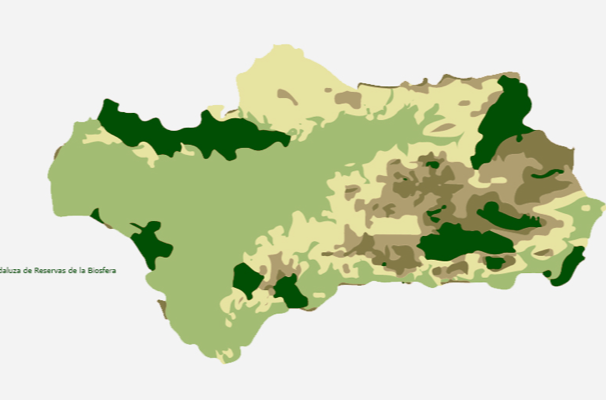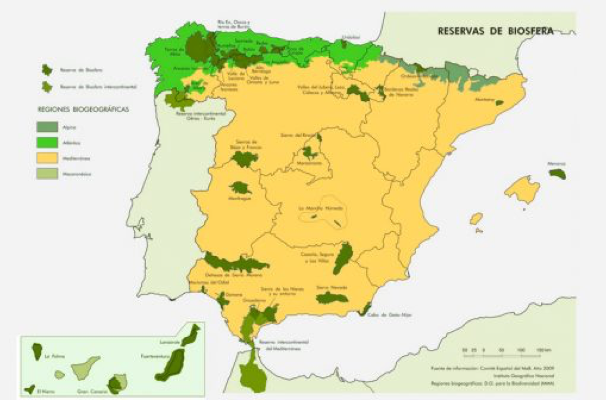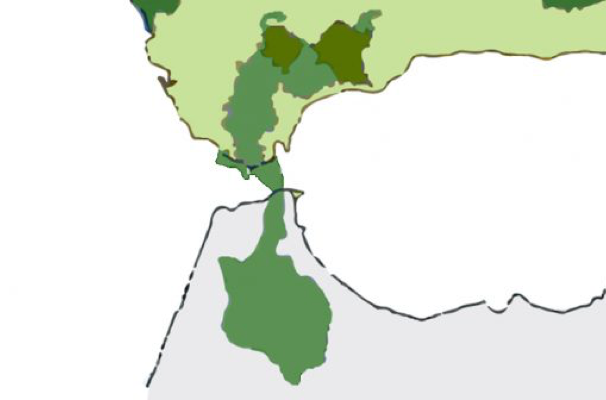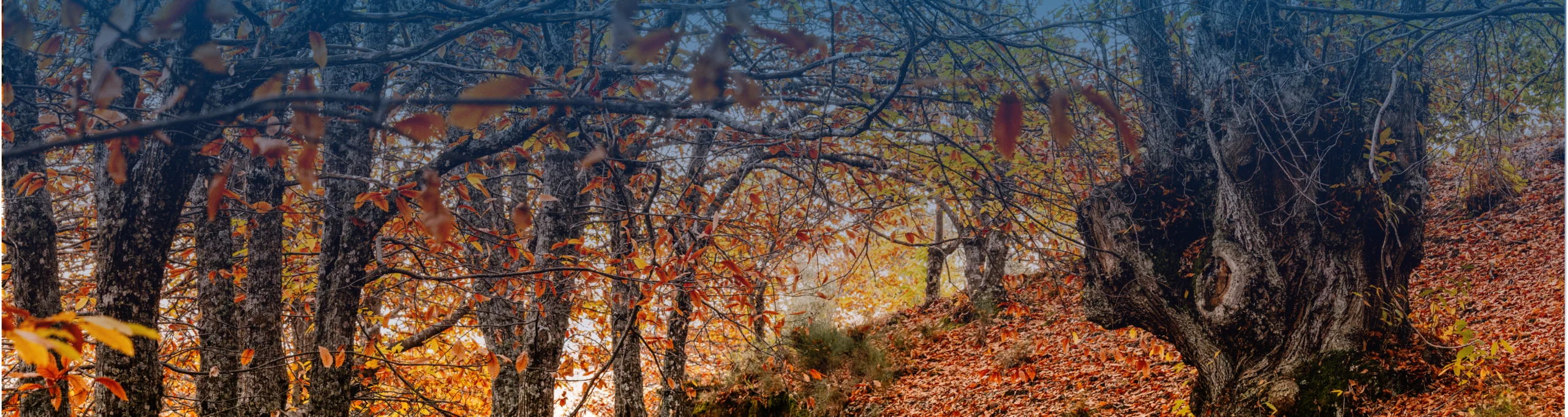


This recognition highlights a region where biodiversity conservation goes hand in hand with the sustainable development of its municipalities, while preserving traditions, culture, and ways of life connected to nature.
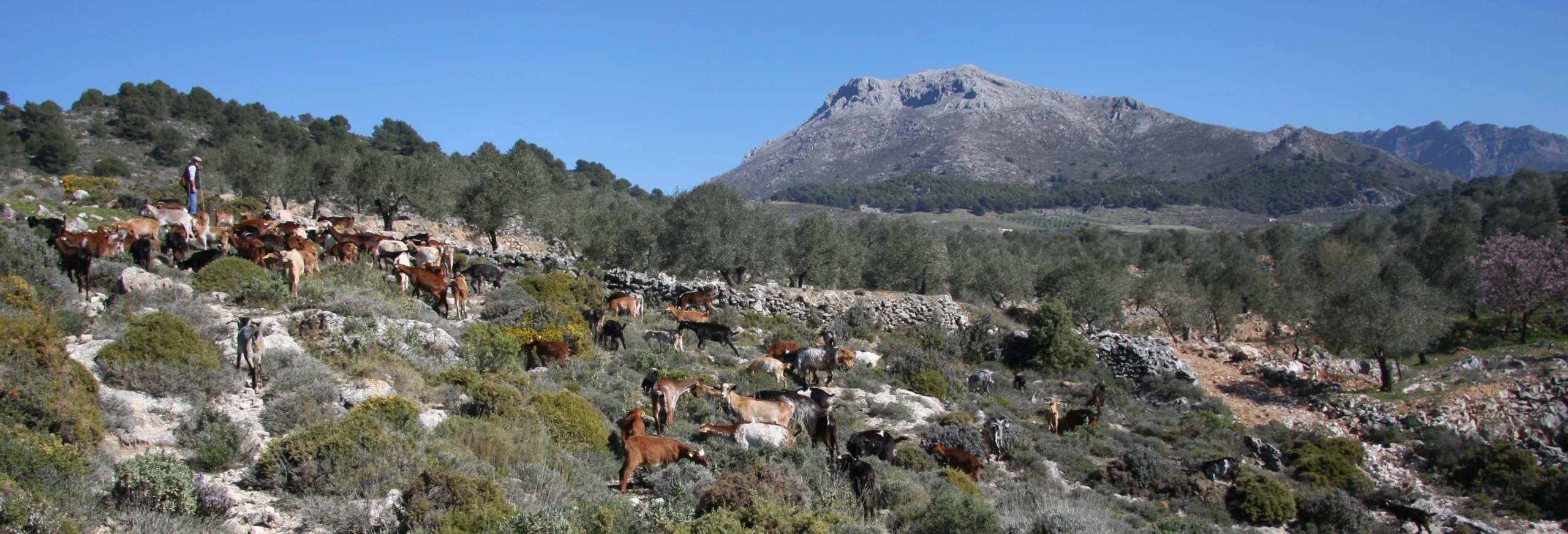
Due to the enormous damage that humans have caused to our biosphere, UNESCO launched theMan and the Biosphere (M&B) Program in 1971, aimed at studying how humanity was affecting the biosphere and determining what could be done to prevent further degradation.
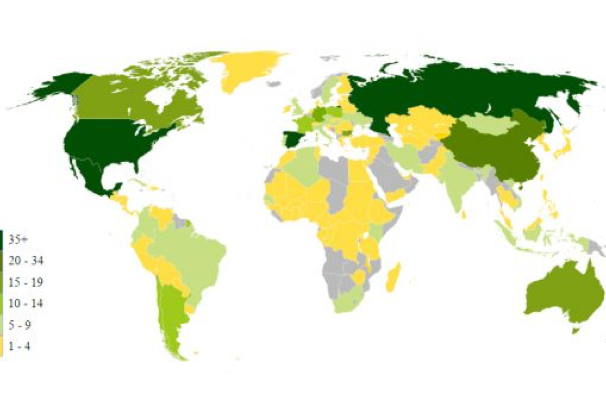
Biosphere Reserves are sites selected by the MaB Program to implement its objectives and serve as models for a balanced and sustainable relationship between humans and their environment. Today, there are more than 500 reserves in 102 countries around the world.
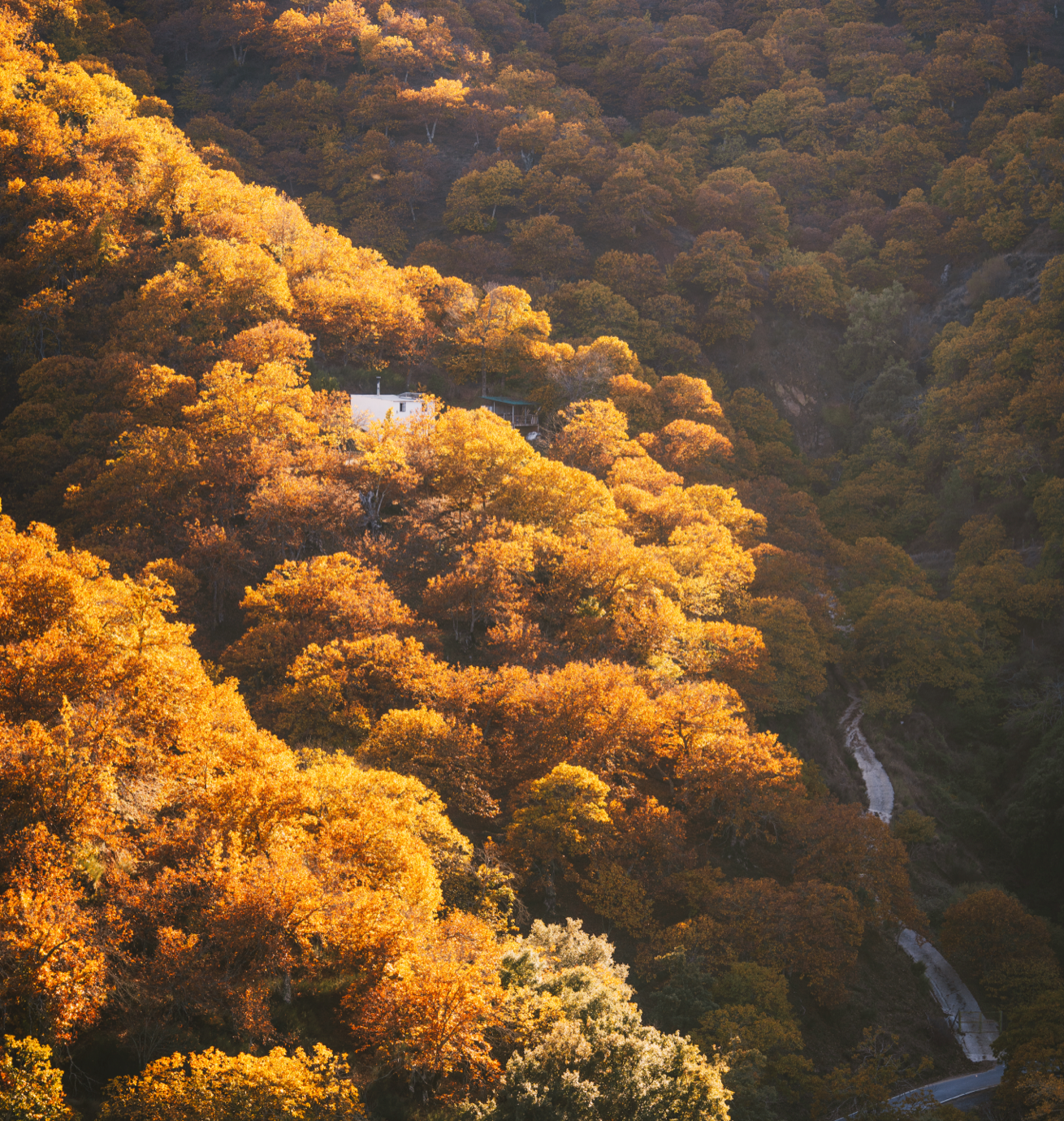

Biosphere Reserves are areas of the Earth of great natural and cultural value to all of humanity, where programs are implemented to promote the social and economic development of their human inhabitants without compromising the conservation of those values.
All of the world's Biosphere Reserves operate under a set of common objectives
Improve land-use planning and management by taking into account and assessing natural resources, existing environmental issues, and risk prevention as fundamental planning elements.
Conservation of natural heritage through the protection of the area’s biodiversity. Preservation of natural and ethnological heritage through cataloging and the enhancement of existing historical and cultural resources in the area.
Adoption of sustainable development proposals that enable the incorporation of integrated development approaches compatible with the conservation of cultural and natural heritage, as well as the use of underutilized local resources.
Promoting the participation of the local population in the management of the Biosphere Reserve, environmental education for the population, and ongoing research and monitoring.
To highlight the role of the International Network of Biosphere Reserves in the conservation of the global ecosystem.
All Biosphere Reserves are part of a network structure spanning different geographic areas. These networks make it possible to carry out joint projects and exchange experiences and knowledge among reserves, whether they are geographically close to one another or located on opposite sides of the globe.

 Mancomunidad