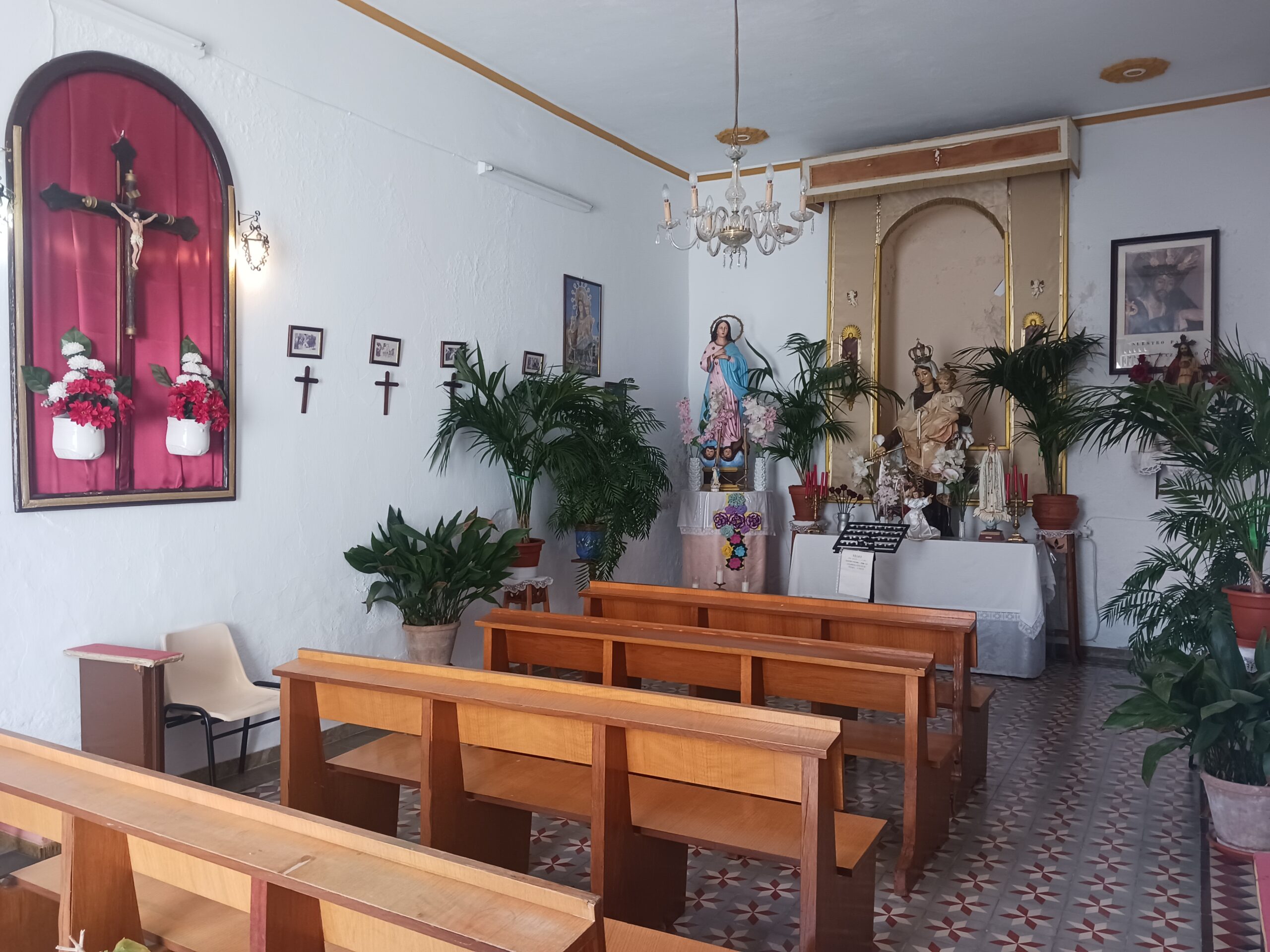
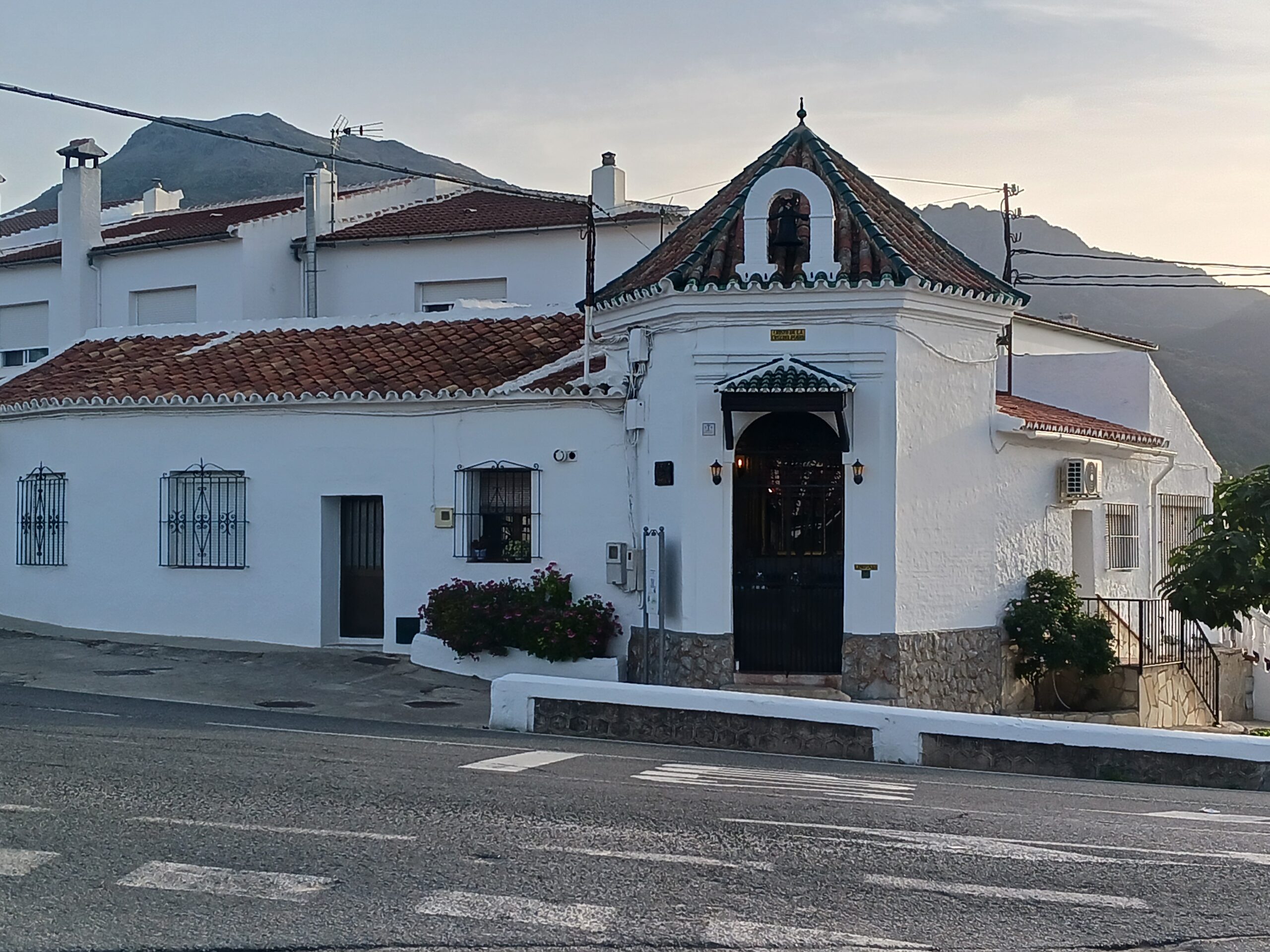
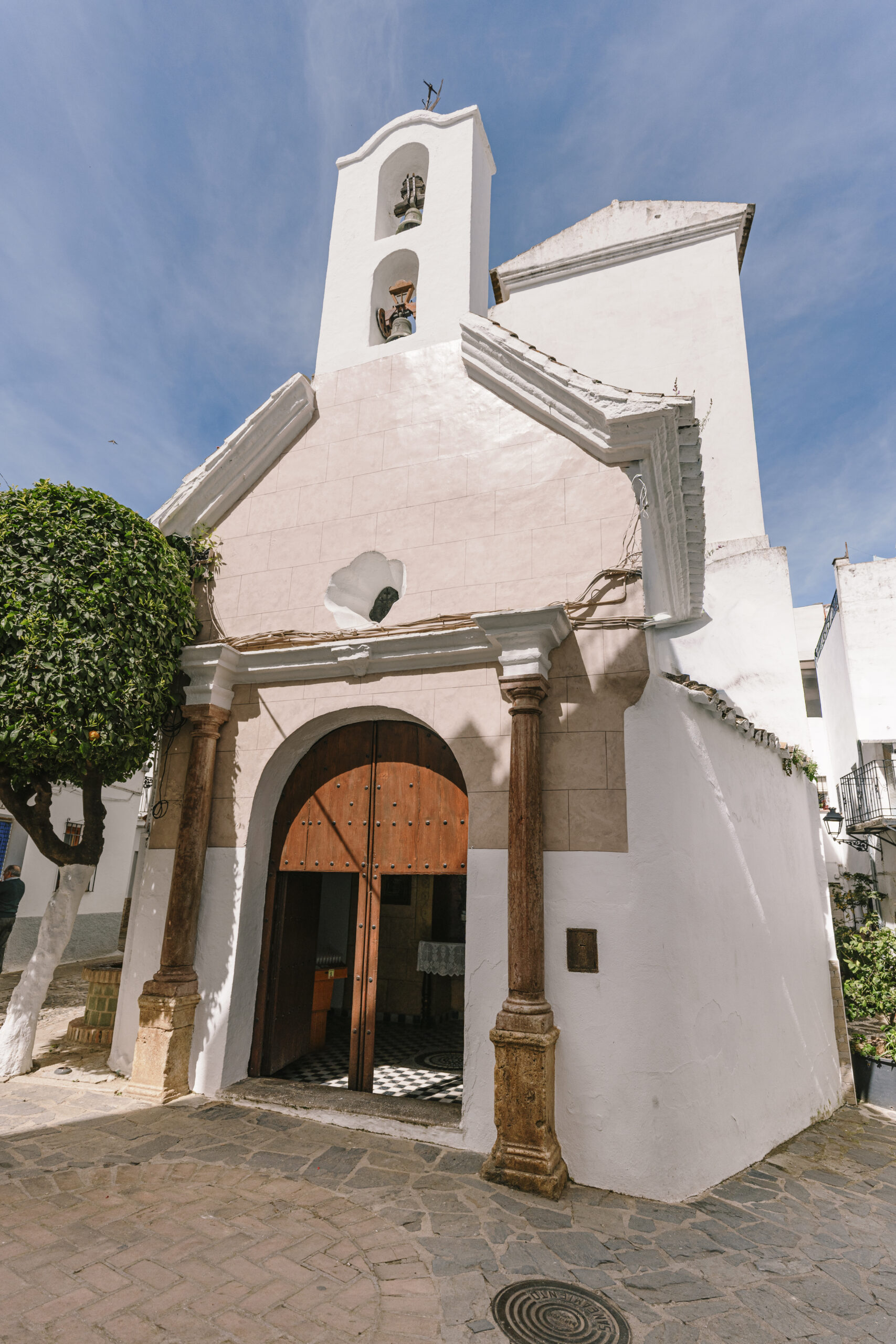
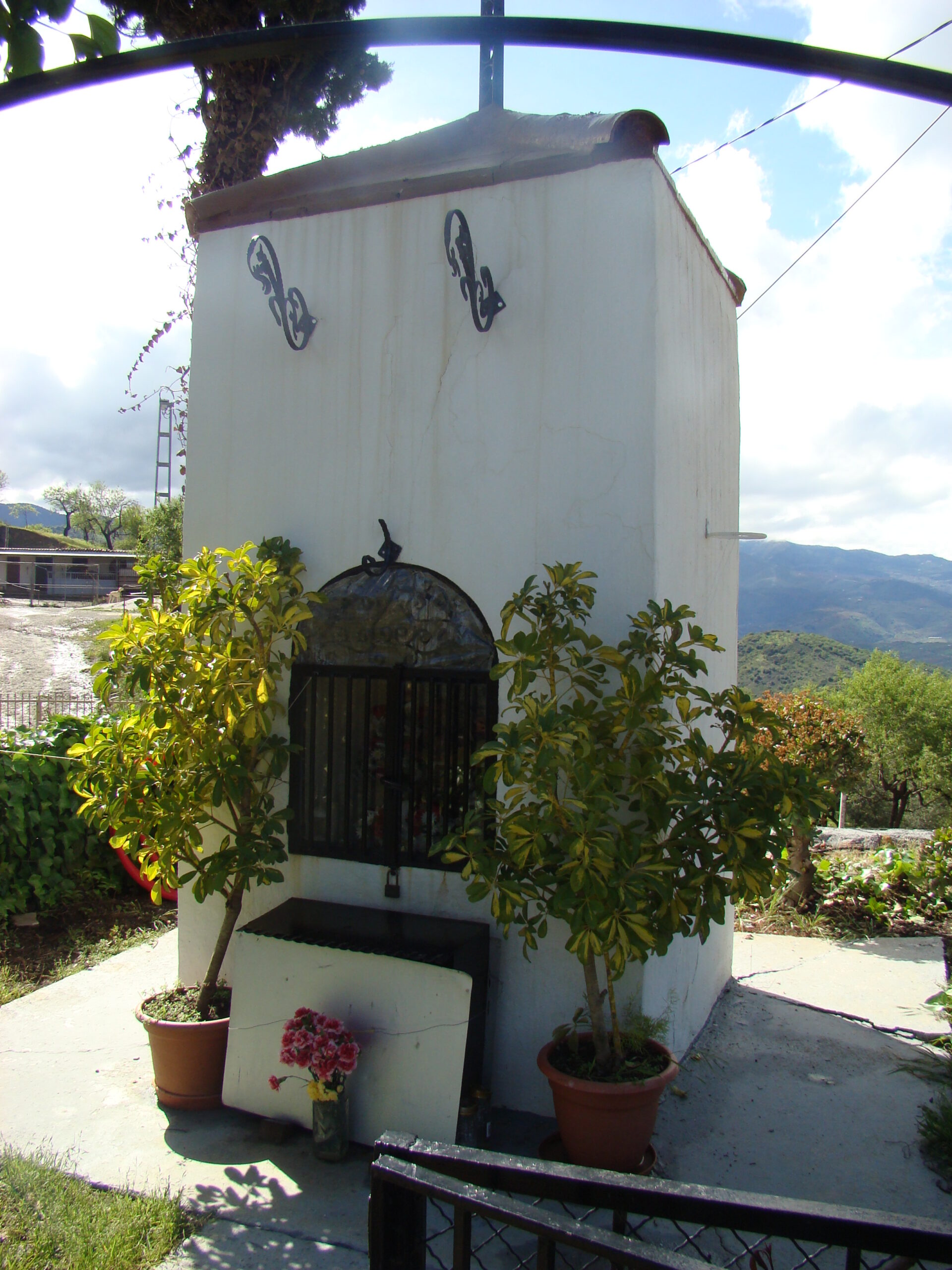
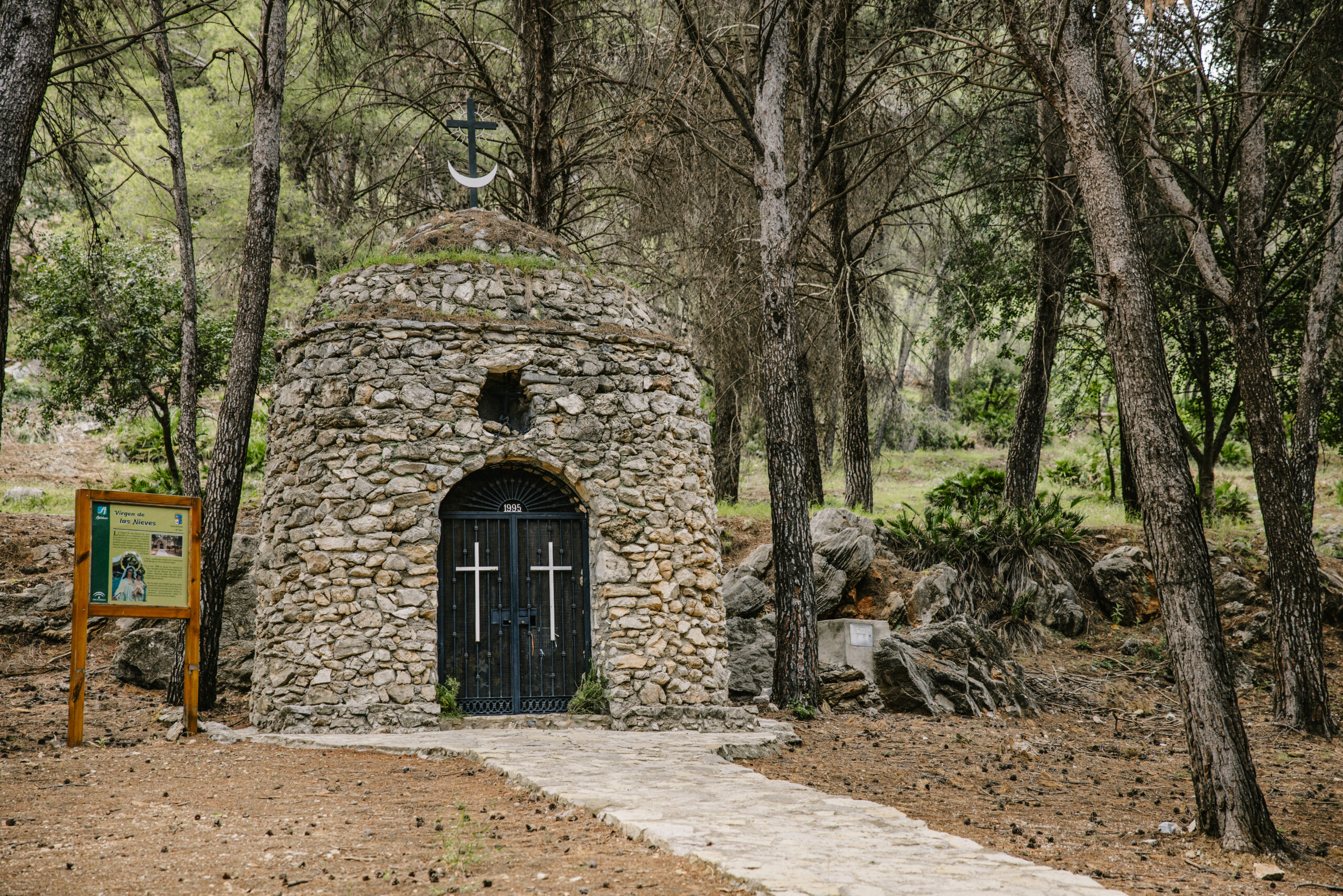
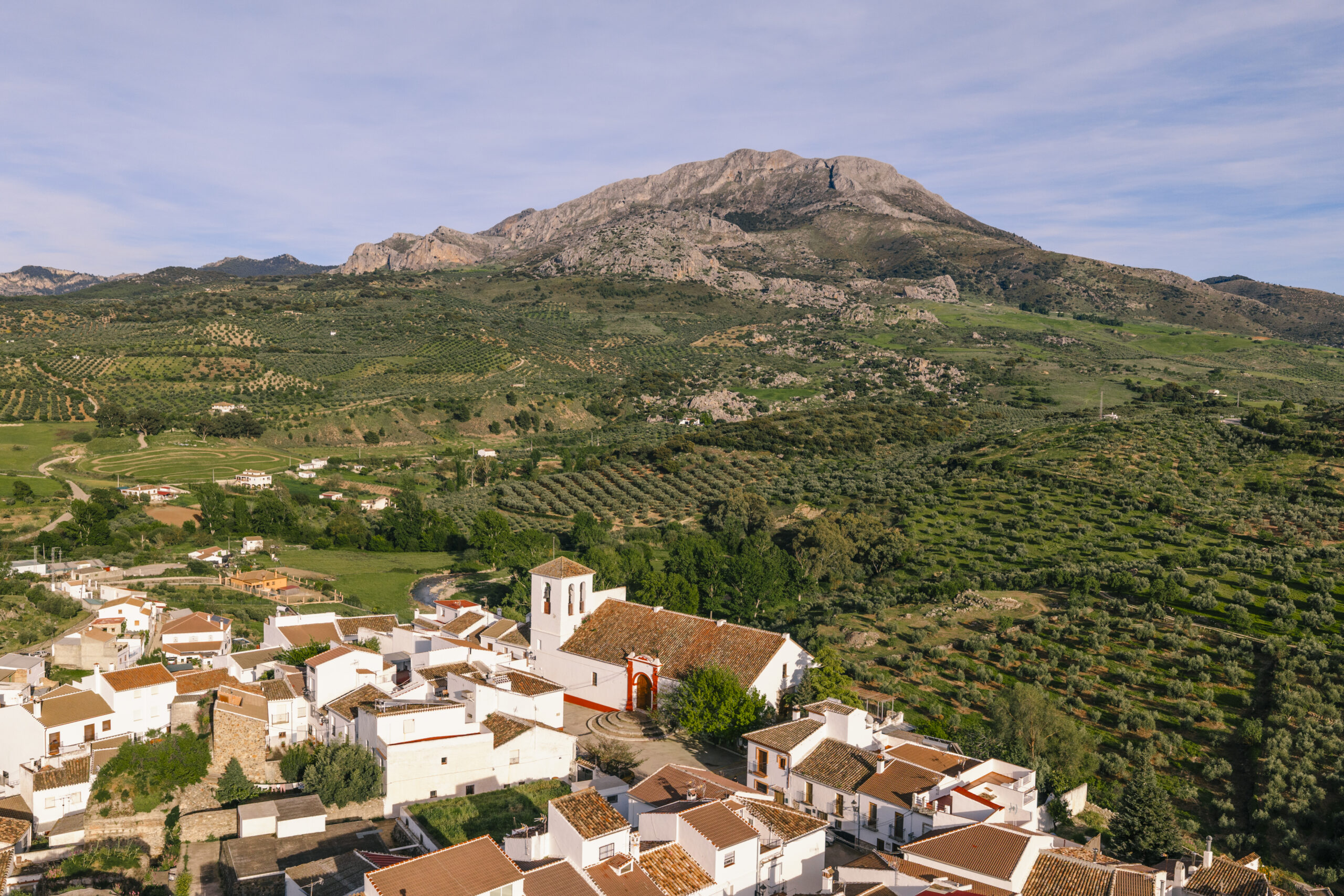
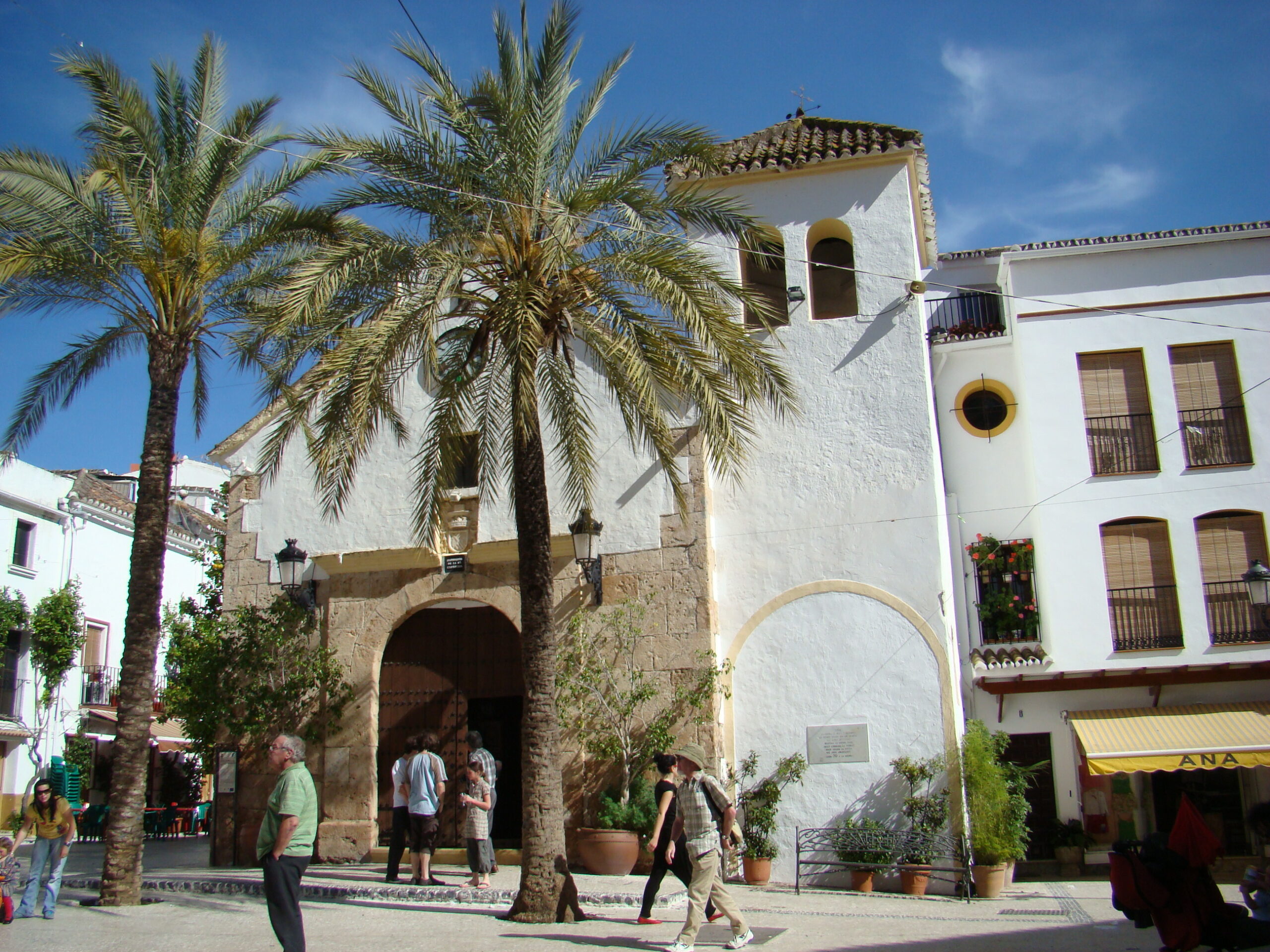
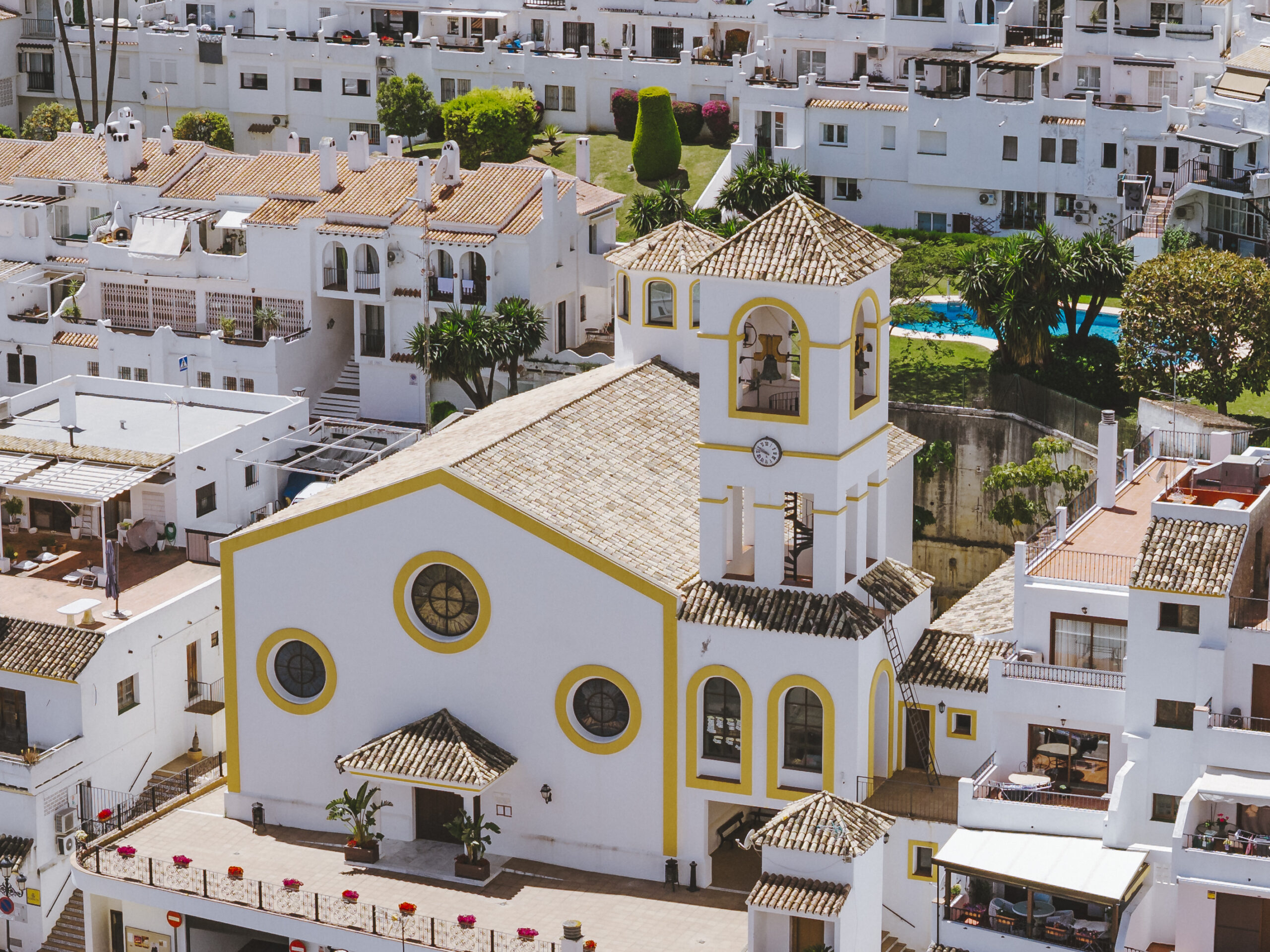
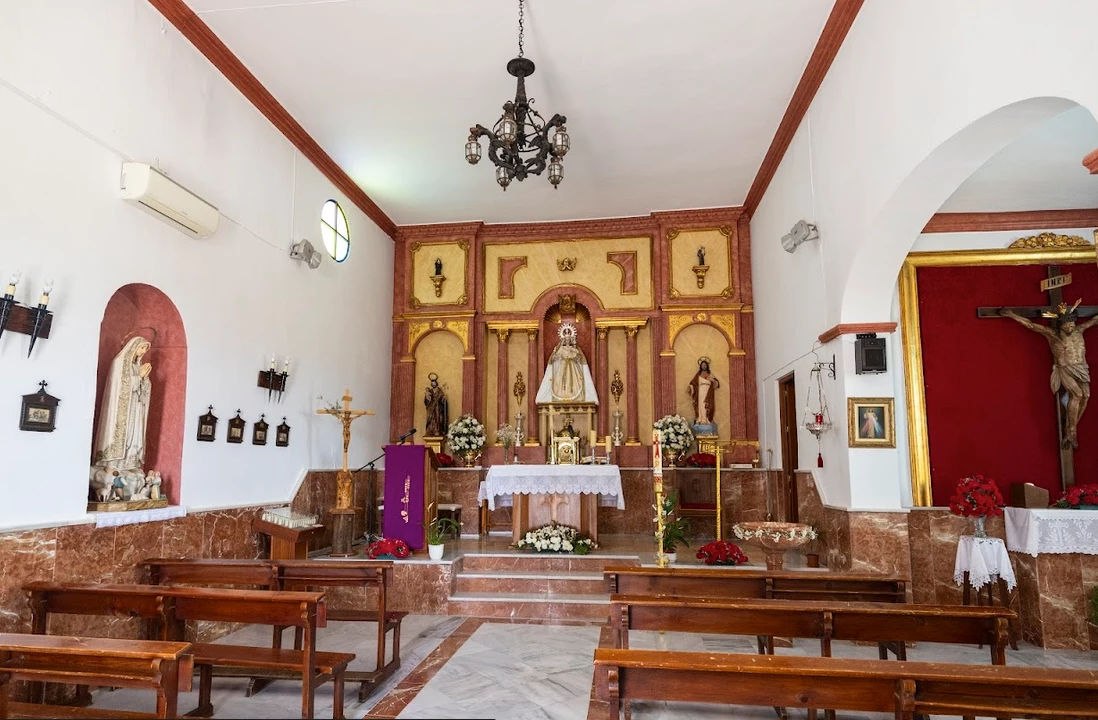
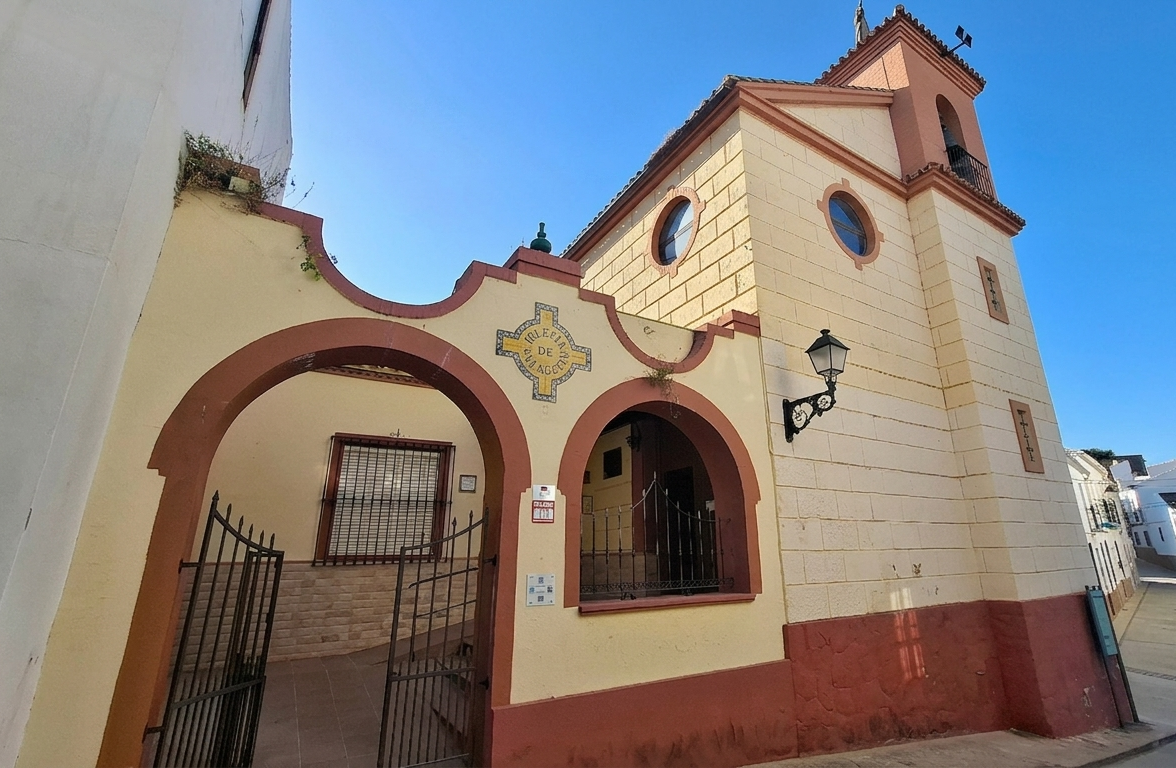
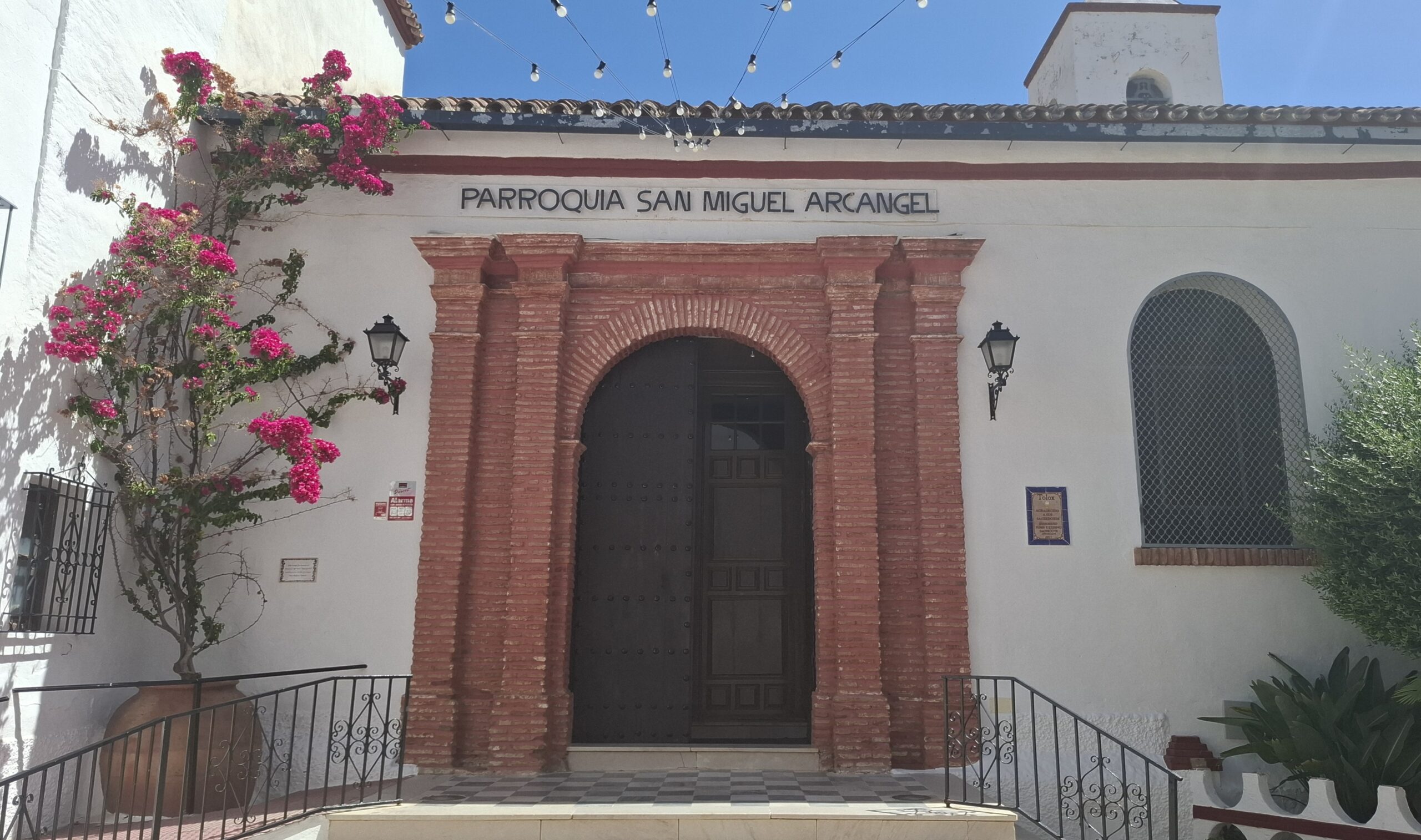
The Sierra de las Nieves World Biosphere Reserve is home to a diverse and extensive religious heritage: churches, chapels, niches, crosses, calvaries, Stations of the Cross… and even some convents, which are scattered throughout the town centers and their surrounding areas. And let’s not forget the religious celebrations such as Holy Week or the numerous pilgrimages—which are more folk in nature—associated with them.
Following the Castilian conquest in the 15th century and the imposition of a new faith, a new God, and a new order, major urban changes took place. In our case, the old mosques were replaced by churches in order to nurture the new faith of the newly imposed society. For this reason, they were dedicated to leading figures of Christianity: St. James, the Incarnation, St. Michael… The truth is that the spaces now occupied by churches—and previously by mosques—have been dedicated to faith for nearly a thousand years.
Over time, as the Christian resettlement took root and the faith grew stronger, numerous sites of popular devotion—such as hermitages, wayside crosses, and niches—were added to the churches… Many of these sites were the focus of pilgrimages, processions, and specific religious celebrations intended to commemorate a local saint or an event considered miraculous, as well as to invoke divine protection. This religious heritage has survived various historical upheavals throughout its existence, such as the Morisco Revolt (1568–1571), the War of Independence (1808–1814), the Confiscations (19th century), and the Spanish Civil War (1936–1939), all of which affected its integrity and left their mark.
All of this tangible and intangible religious heritage is part of the culture of the residents of the Sierra de las Nieves—their spirituality, their beliefs, and their deep devotion. Indeed, it is through the various shared religious rituals that their collective identity is forged.

 Mancomunidad