An ethnographic center in Casarabonela, a pedestrian bridge in Ojén, an accessible trail in Istán, and a pedestrian walkway with space for bicycles in Tolox are some of the projects completed in 2024
In 2024, the Association of Municipalities of Sierra de las Nieves will complete the first four initiatives outlined in the Destination Tourism Sustainability Plan (PSTD), with an investment of 555,452.75 euros in the towns of Tolox, Istán, Ojén, and Casarabonela.
The president of the Sierra de las Nieves Association of Municipalities and mayor of Istán, José Miguel Marín, notes that “this is the first step of the 33 initiatives included in the PSTD, totaling 3.9 million euros, and its fundamental importance lies in the fact that the projects originate from the destinations themselves, from the municipalities themselves, who best understand their needs and the vision for the future they wish to shape, highlighting their unique character, adapting to it, and respecting their own diverse ecosystems.”
Funding for the PSTD project comes from the Spanish Government’s Ministry of Industry and Tourism and the Regional Ministry of Tourism, Regeneration, Justice, and Local Administration of the Regional Government of Andalusia; the project is being implemented in the municipalities of the Sierra de las Nieves National Park, under the direct management of the Association of Municipalities of the Sierra de las Nieves.
One of the four projects completed in 2024 was the design and construction of a pedestrian walkway with space for bicycles located at the entrance to Tolox, connecting the town center with the outdoor parking areas and the sites where the Park’s Visitor and Interpretation Center is planned to be built, with an investment of 181,702.75 euros.
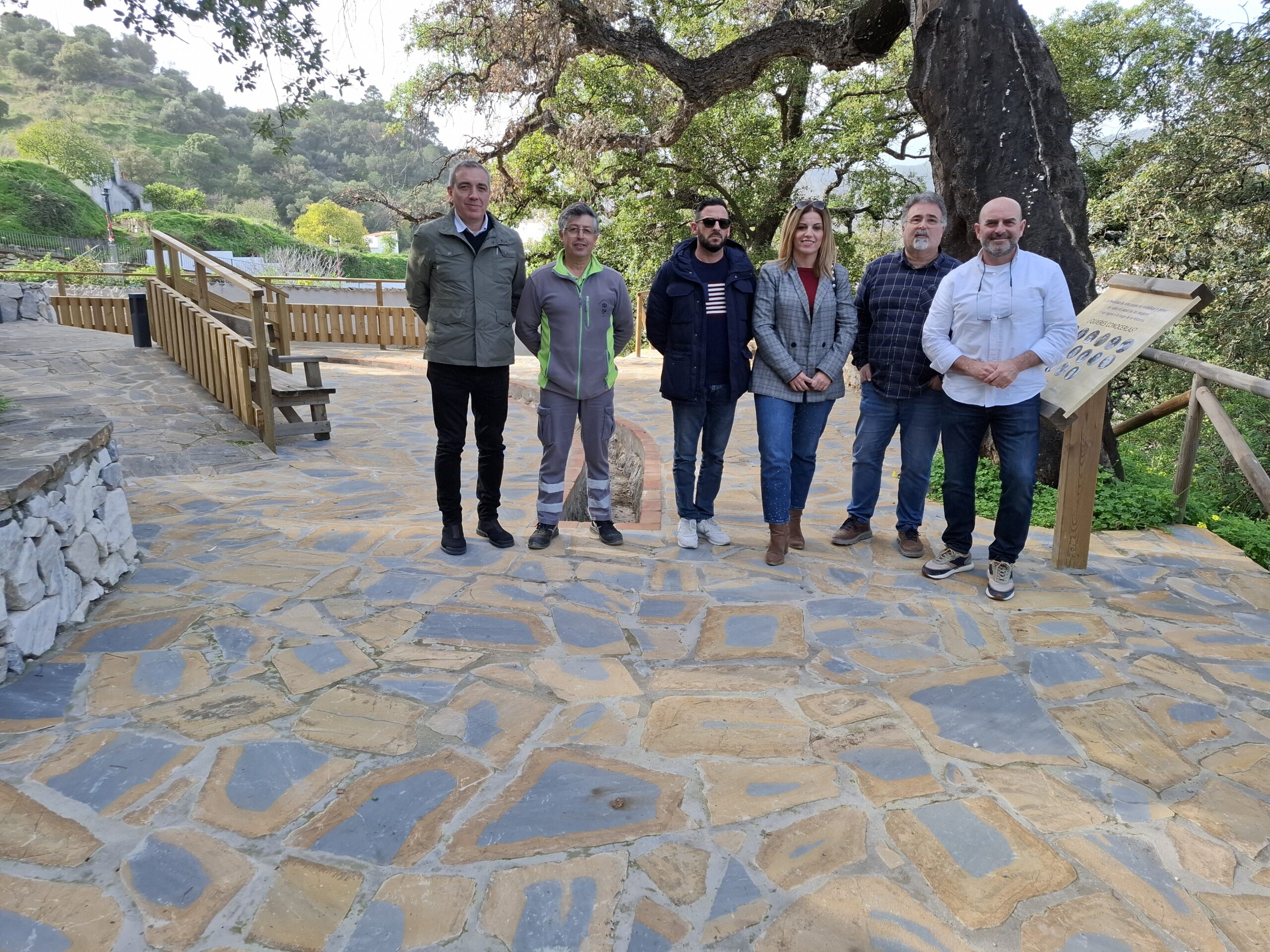
The creation of accessible trails in the peri-urban area of El Coto de Istán was another of the projects undertaken with an investment of 90,750 euros, which included improving the trail surface, and the installation and adaptation of signage to meet accessibility requirements in one of the municipality’s most iconic areas.
Ojén has now completed the first phase of the Cañada Primera pedestrian bridge, which, with an investment of 190,000 euros, involved the construction of a footbridge on the left side of Travesía del Municipio, allowing pedestrians to move through this urban area of tourist interest separately from vehicles.
And Casarabonela now has a suitable space for the Los Rondeles Ethnographic Center in Casarabonela. With an investment of 93,000 euros, the necessary renovations have been carried out to convert the building that serves as the headquarters of the Friends of Los Rondeles Association into an Ethnographic Center, which will house various types of artifacts related to this festival, designated a Festival of National Tourist Interest in Andalusia in 2001 and a Festival of Provincial Tourist Distinctiveness in 2006.
The “Sierra de las Nieves National Park” Destination Tourism Sustainability Plan, approved for a total of 3,915,000 euros—of which 1.2 million are currently being implemented, have been awarded, or are in the bidding process— by the Spanish Government’s Ministry of Industry and Tourism and the Regional Ministry of Tourism, Regeneration, Justice, and Local Administration of the Regional Government of Andalusia, is being implemented in the municipalities of the Sierra de las Nieves National Park, under the direct management of the Association of Municipalities of the Sierra de las Nieves, launching 33 initiatives designed to transform the current tourism model, distributed across four program areas: Green and Sustainable Transition, Energy Efficiency Improvement, Digital Transition, and Tourism Competitiveness.
The “Sierra de las Nieves, National Park,” approved for a total of 3,915,000 euros—of which 1.2 million are currently being implemented, have been awarded, or are in the bidding process—will launch 33 initiatives designed to transform the current tourism model, distributed across four program areas: Green and Sustainable Transition, Energy Efficiency Improvements, Digital Transition, and Competitiveness.
In 2025, special attention will be given to implementing initiatives related to the digital transition, such as the creation of a website, an itinerary app, the digital branding of the Sierra de las Nieves region, the creation of a digital content framework, and the monitoring of tourist traffic; and in the area of energy efficiency improvements, the creation of a park-and-ride facility for access to the National Park, the implementation of energy-efficiency improvement systems in tourist buildings, the installation of photovoltaic systems, the installation of electric vehicle charging stations, and the use of energy-efficient lighting, among other initiatives.
The Tourism Sustainability Strategy for Destinations addresses two general objectives: First, to support tourist destinations—regardless of their size or the type of demand they serve—in their transformation into hubs of tourism innovation capable of integrating environmental, socioeconomic, and territorial sustainability into their offerings. The second general objective is to achieve, through various intervention tools, greater territorial cohesion—not only by linking the offerings and destinations within each territory but also by creating connections between destinations in different regions.





 Mancomunidad