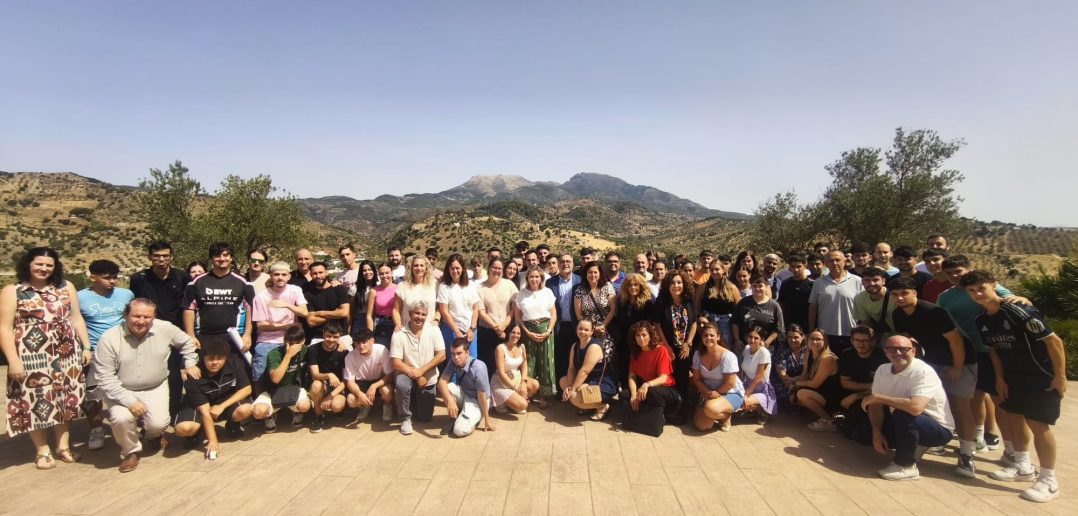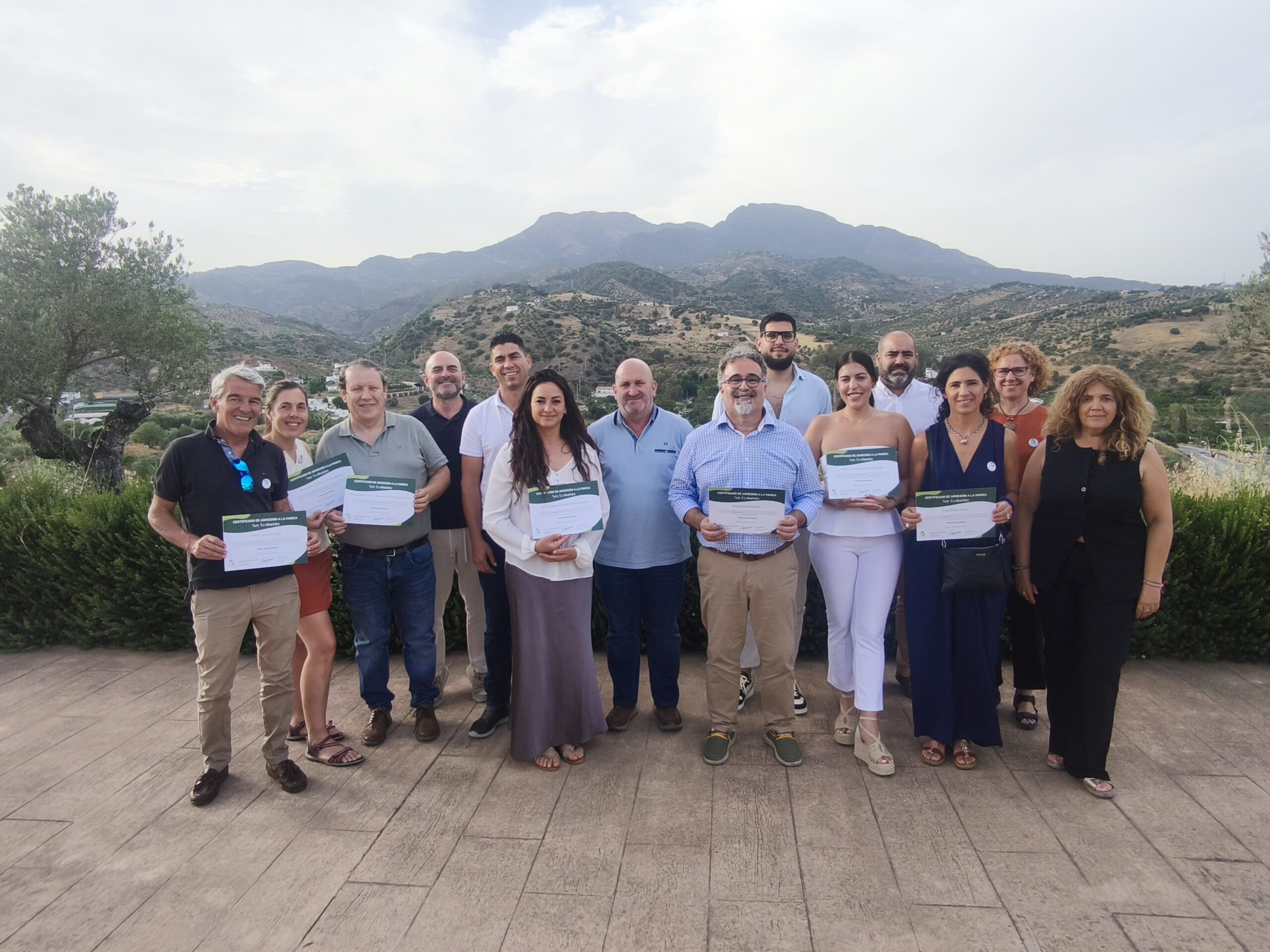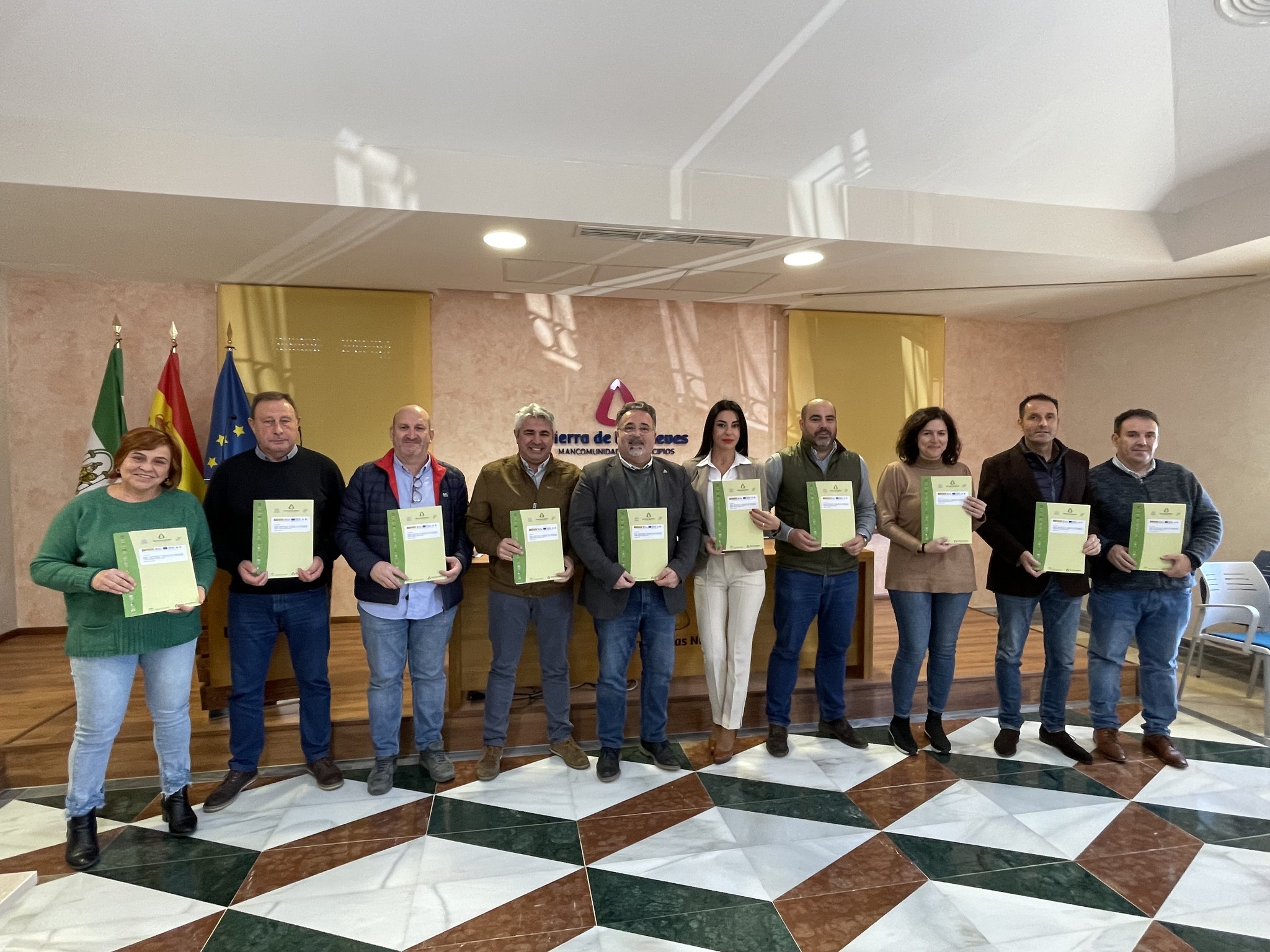
The Association of Municipalities of Sierra de las Nieves has promoted, through August 2024, and through the Destination Tourism Sustainability Plan, 16 projects and initiatives in the municipalities surrounding the Sierra de las Nieves National Park, representing an investment of more than 1.2 million euros, of which 893,297 euros have already been awarded and are underway, while the remainder are currently in the bidding process.
The “Sierra de las Nieves National Park” Destination Tourism Sustainability Plan, approved for a total of 3,915,000 euros—of which 1.2 million are currently being implemented, have been awarded, or are in the bidding process— by the Spanish Government’s Ministry of Industry, Commerce, and Tourism and the Regional Ministry of Tourism, Regeneration, Justice, and Local Administration of the Regional Government of Andalusia, is being implemented in the municipalities of the Sierra de las Nieves National Park, under the direct management of the Association of Municipalities of the Sierra de las Nieves, launching 33 initiatives designed to transform the current tourism model, distributed across four programmatic areas: Green and Sustainable Transition, Improvement of Energy Efficiency, Digital Transition, and Tourism Competitiveness.
The president of the Association of Municipalities of Sierra de las Nieves and mayor of Istán, José Miguel Marín, notes that “the Destination Tourism Sustainability Strategy emphasizes action within the destination itself and takes into account its specific needs and characteristics” and emphasizes that “it addresses the destination’s entire specific tourism ecosystem, including the regional and local public institutions that operate within it, as well as social organizations and the business sector.”
“The fact that the actions outlined in this Plan originate from the destinations themselves has a significant impact on improving competitiveness, as they take into account the interests, proposals, and initiatives of all social actors and members of the tourism ecosystem associated with the destinations,” Marín emphasizes.
These initiatives, which fall under the first program pillar—Green and Sustainable Transition—include the creation of an accessible trail in Istán, a detailed study of routes to obtain and maintain their certification by the Andalusian Federation of Mountain Sports, climbing, and hiking, as well as the drafting of a project to adapt a walking trail in the municipality of Parauta, pedestrian walkways in urban areas with bike lanes in Yunquera and Tolox, a study of mountain bike routes, and the project for environmental restoration and green screens in Serrato.
Under the second priority area, Improving Energy Efficiency, the projects under consideration include a study on the installation of electric vehicle charging stations, a study on energy efficiency in tourist buildings, a project to replace and install energy-efficient lighting at tourist sites in the municipality of Serrato, and the installation of photovoltaic solar energy systems in tourist buildings and public parking lots.
The third pillar, which focuses on the digital transition, includes training services for the business community in the Sierra de las Nieves.
The last of the four pillars, Tourism Competitiveness, encompasses the initiatives of the Tourism Signage Plan in the Sierra de las Nieves region; the renovation and improvement of the facilities at the Conejeras municipal campground in Parauta; the beautification of the historic centers of Monda, Alozaina, Parauta, and Serrato; the creation of the Los Rondeles Ethnographic Center in Casarabonela; the construction of a tourist walkway and observation deck in Ojén; and the operation of the management body for the Sierra de las Nieves tourist destination
The president of the Association emphasizes that “sustainable tourism is not a tourism product, but rather a management approach that should be applied to any type of tourism product and destination, as recommended by the UNWTO and other international organizations.”
The Tourism Sustainability Strategy for Destinations addresses two general objectives: First, to support tourist destinations—regardless of their size or the type of demand they serve—in their transformation into hubs of tourism innovation capable of integrating environmental, socioeconomic, and territorial sustainability into their offerings. The second general objective is to achieve, through various intervention tools, greater territorial cohesion—not only by linking the offerings and destinations within each territory but also by creating connections between destinations in different regions.





 Mancomunidad