The traditional festivals and celebrations of the Sierra de las Nieves are one of the best ways to get to know its towns and people. Beyond its breathtaking landscapes, trails, and viewpoints, the Sierra de las Nieves World Biosphere Reserve reveals itself in the vibrant life of its town squares, in its beautifully decorated streets where music fills the air; in its processions and those popular celebrations that keep the memory of generations alive and strengthen its identity.
Throughout the year, the municipalities in the region host a fascinating calendar of fairs, pilgrimages, religious and popular celebrations, historical reenactments, culinary events, and carnivals… These events blend devotion, folklore, fine dining, and, above all, the hospitality of the white villages of the Sierra de las Nieves. They are also expressions of the collective identity of these villages.
In the Sierra de las Nieves, the region’s rich culinary tradition has given rise to several food festivals where locals and visitors come together in a festive atmosphere.
In El Burgo, the celebration of the “Sopa de los Siete Ramales” coincides with Andalusia Day (February 28), when this iconic dish is honored in a festive atmosphere. It has been designated a Festival of Provincial Tourist Interest since 2001.
In Monda, Mondeña Soup Day brings together locals and visitors alike to enjoy the town’s most traditional dish, which has evolved from a humble recipe with rural roots into one of the greatest symbols of local identity. It is a participatory, down-to-earth, and very authentic celebration.
The region also hosts other festivals linked to local products, such as the Gastronomic Fair and Orange Day (Istán), the Rabbit Festival (Parauta), the Tostón Popular (Ojén), and the Chestnut and Wine Festival (Yunquera). All of these celebrations have received various forms of institutional recognition.
In many towns, it is traditional to celebrate the night before All Saints’ Day with a large community chestnut roast, where locals and visitors gather to enjoy roasted chestnuts and other seasonal foods.
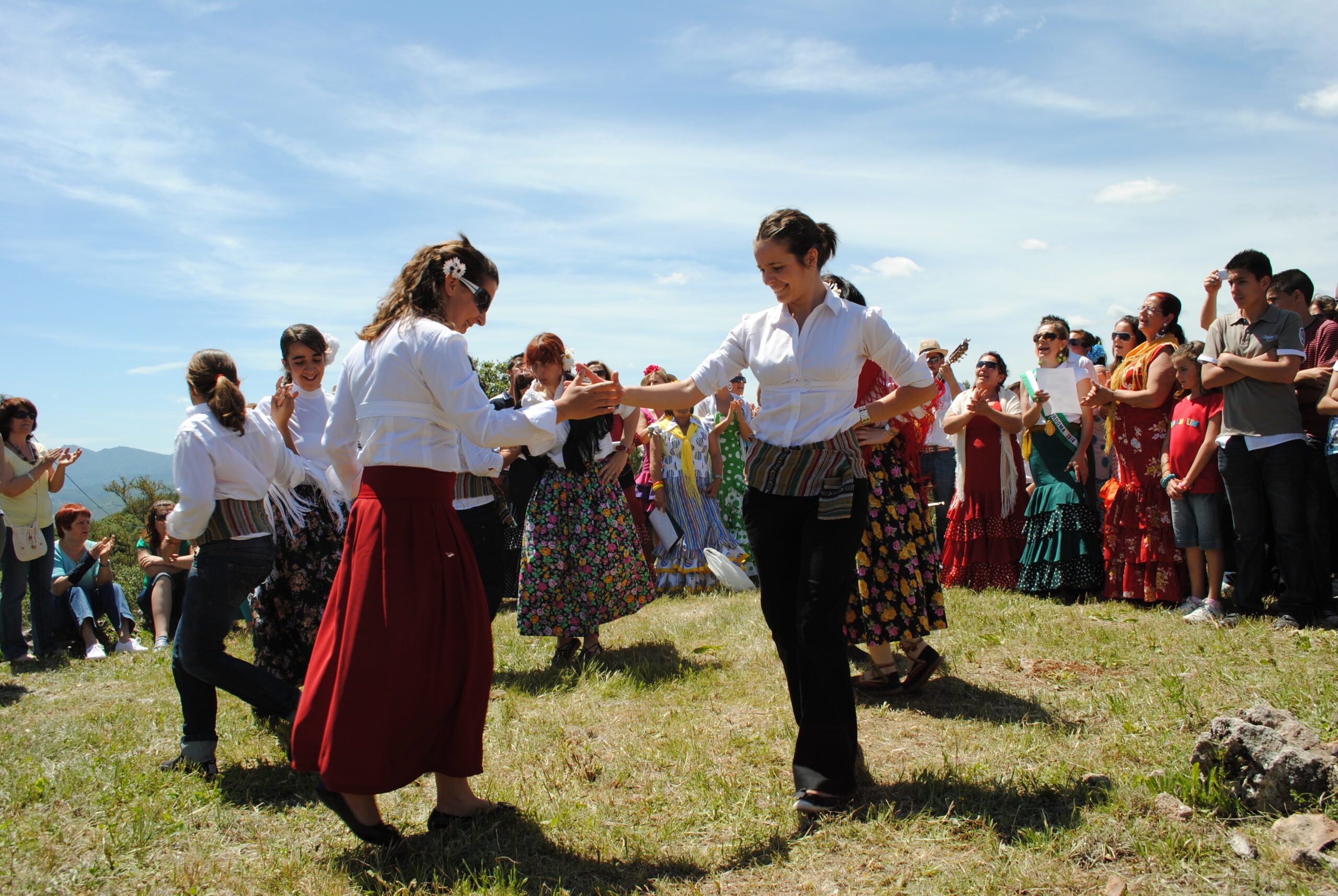
Fairs and patron saint festivals are among the most eagerly anticipated events of the year in the towns of the Sierra de las Nieves. For several days, the streets come alive with music, children’s activities, family gatherings, performances, dances, processions, and events for people of all ages.
Each of them has its own unique character. As a point of interest, we’ll highlight Tolox’s festivities in honor of San Roque (August), during which the spectacular “Cohetá” takes place. This is a boisterous tradition that involves accompanying the procession of their patron saint by setting off thousands upon thousands of fireworks. Its origins are very humble: traditionally, many day laborers would leave Tolox to work in the villages of Cádiz, where they would stay for months. When they returned in August with their pockets full for the fair, the people in the countryside would welcome them by firing their shotguns. This was how families were notified of their arrival.
Festivals are also the best opportunity to experience towns from the inside: strolling through their illuminated streets, sampling local products, enjoying live music, taking part in traditional activities, or simply sitting on a terrace and watching as the town comes alive during its biggest events.
The religious festival calendar in the villages that make up the Sierra de las Nieves World Biosphere Reserve is extensive, diverse, and spans the entire year. Processions, pilgrimages, Holy Week, patron saint festivals, and other celebrations linked to the Christian calendar are part of the cultural heritage of these villages.
Of all these, Holy Week stands out; in these municipalities, it is observed with special devotion and a strong liturgical character, making it a truly spectacular visual and emotional experience.
Among the most unique festivals are El Paso de Istán and the Passion and Death of Jesus of Nazareth in Igualeja, two expressions of local religious and theatrical tradition that bring together spirituality, folk theater, and community participation. Also noteworthy is the Corpus Christi celebration in Yunquera, a religious festival that transforms and fills the streets with fragrance, adorning them with thousands of flowers and plants and strengthening the bond between the community, tradition, and the urban space.
Another deeply rooted tradition is the Cruces de Mayo. Alozaina, Casarabonela, Ojén, Parauta, and Igualeja celebrate this festival with crosses decorated with flowers, contests, and community activities. It’s a particularly visually striking festival, perfect for discovering the creativity of the local communities and the beauty of these towns in the spring.
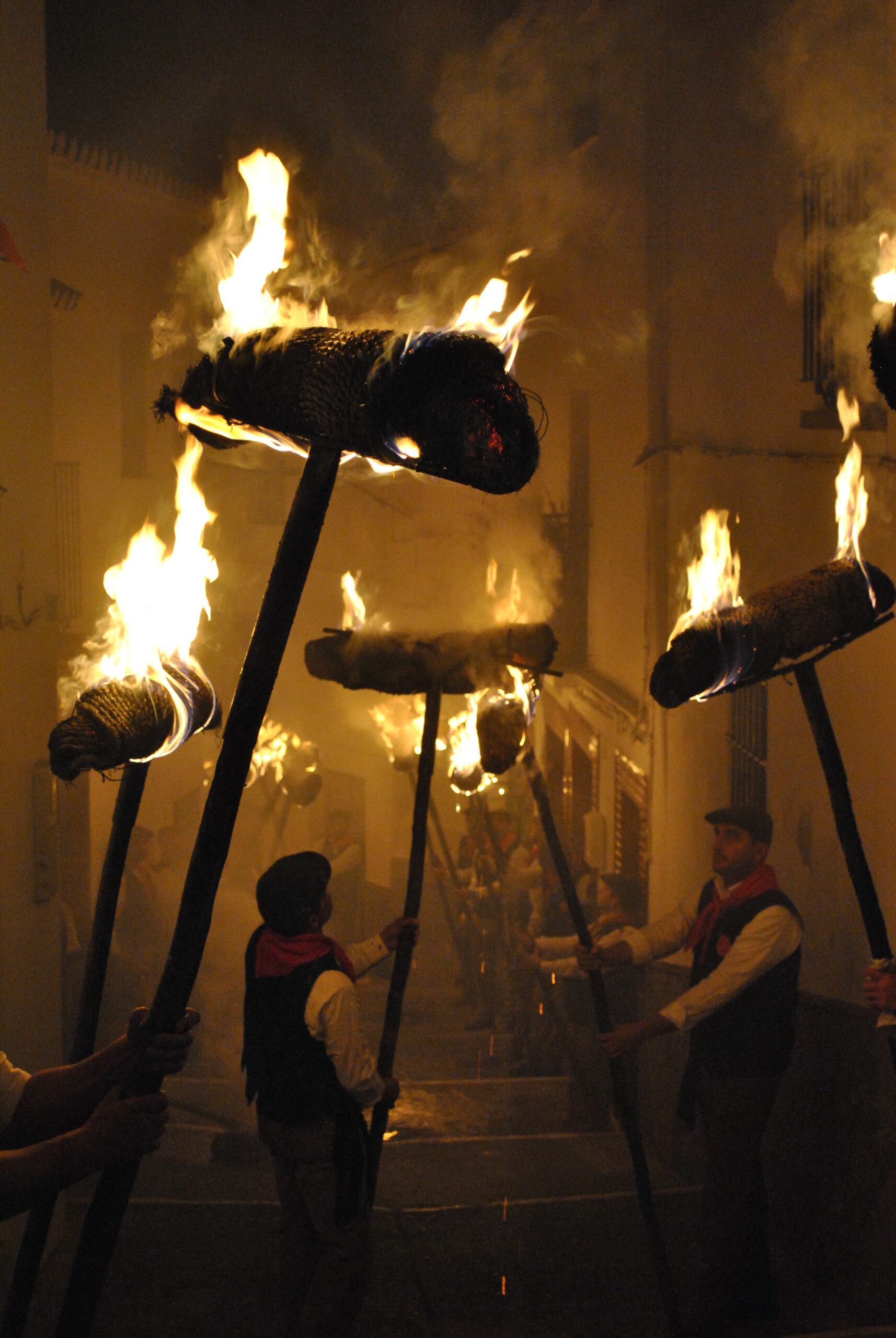
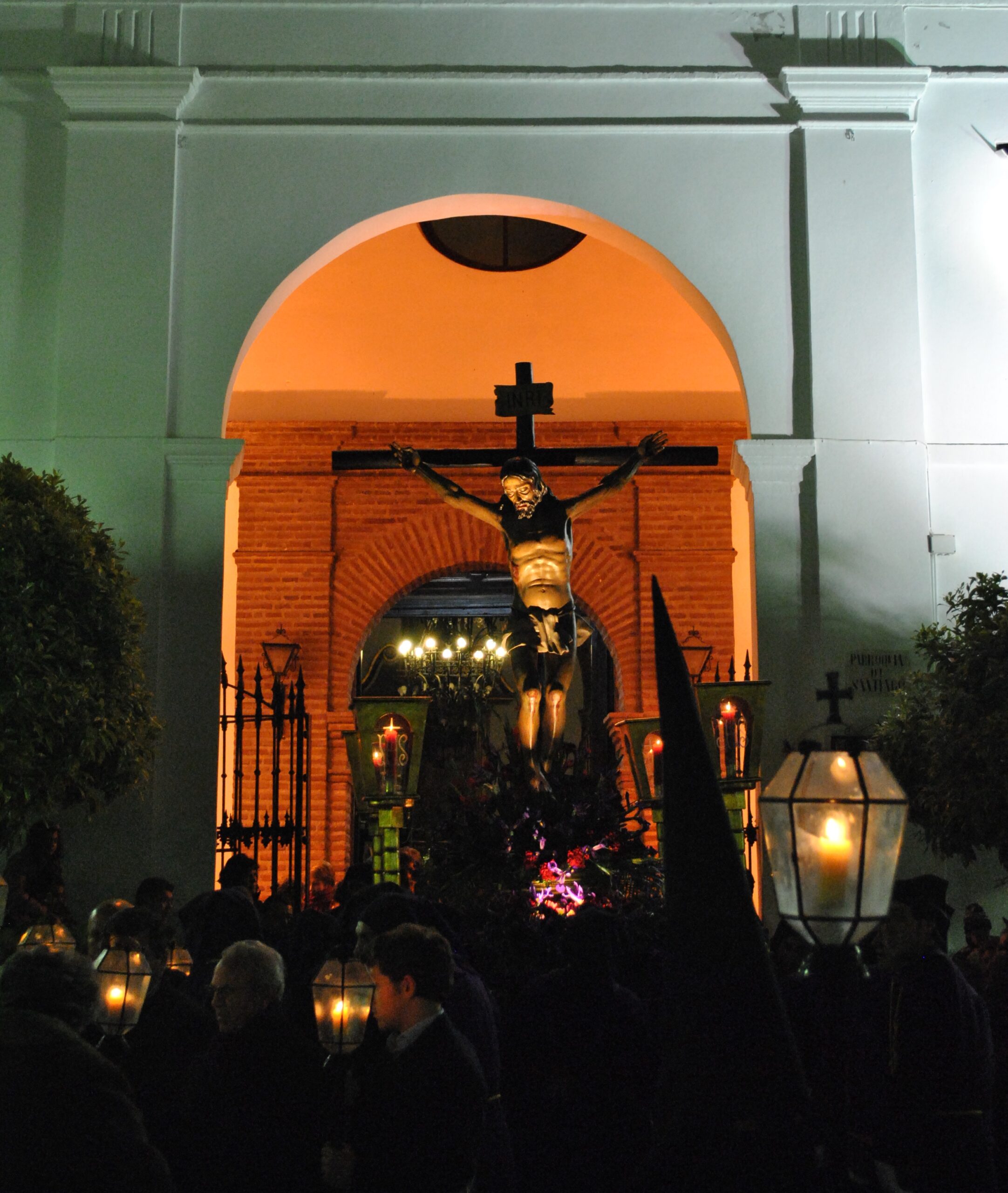
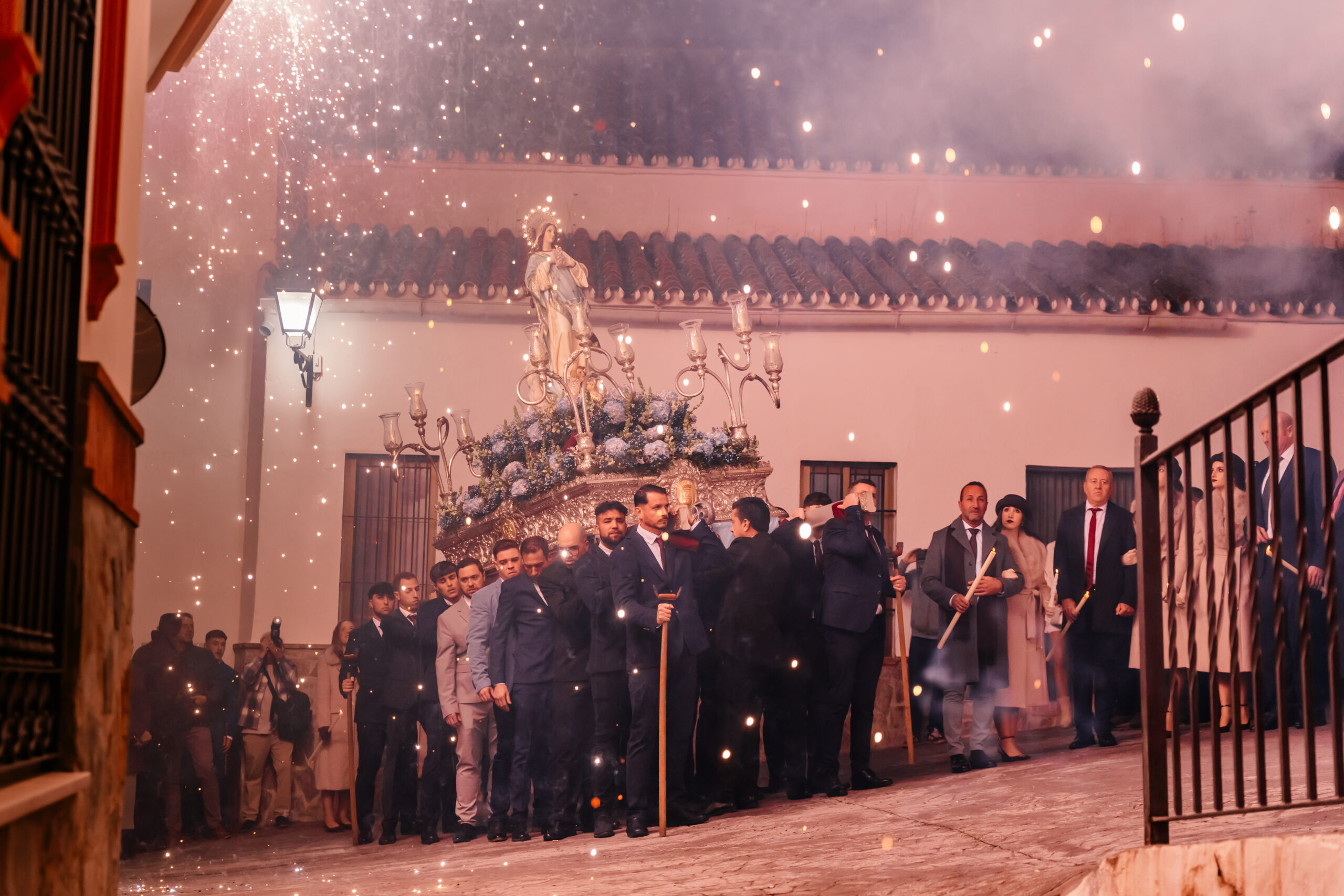
At Christmas, alongside nativity plays and carols, the spectacular celebration of the Virgen de los Rondeles in Casarabonela stands out. It is an indescribable spectacle of fire and faith.
The Sierra de las Nieves is home to celebrations with a very distinctive character. Some are surprising because of their origins, others because of how they are staged, and many because of the active involvement of the local residents.
The Fiesta de los Polvos, the Carnival of Flour, the Pasión Bandolera, and the Ronda Romántica are examples of celebrations that combine theatricality, audience participation, and history, all set against spectacular backdrops. During these events, visitors are not merely observers; they can feel like part of a lively, community-driven atmosphere where the town itself becomes a real-life stage.
These festivals help us understand that the culture of the Sierra de las Nieves isn’t limited to monuments or museums. It resides in its people, in its residents, who express it in the streets, in the squares, through music, in the local cuisine, in the traditional crafts, and in the way the towns come together to celebrate their identity.
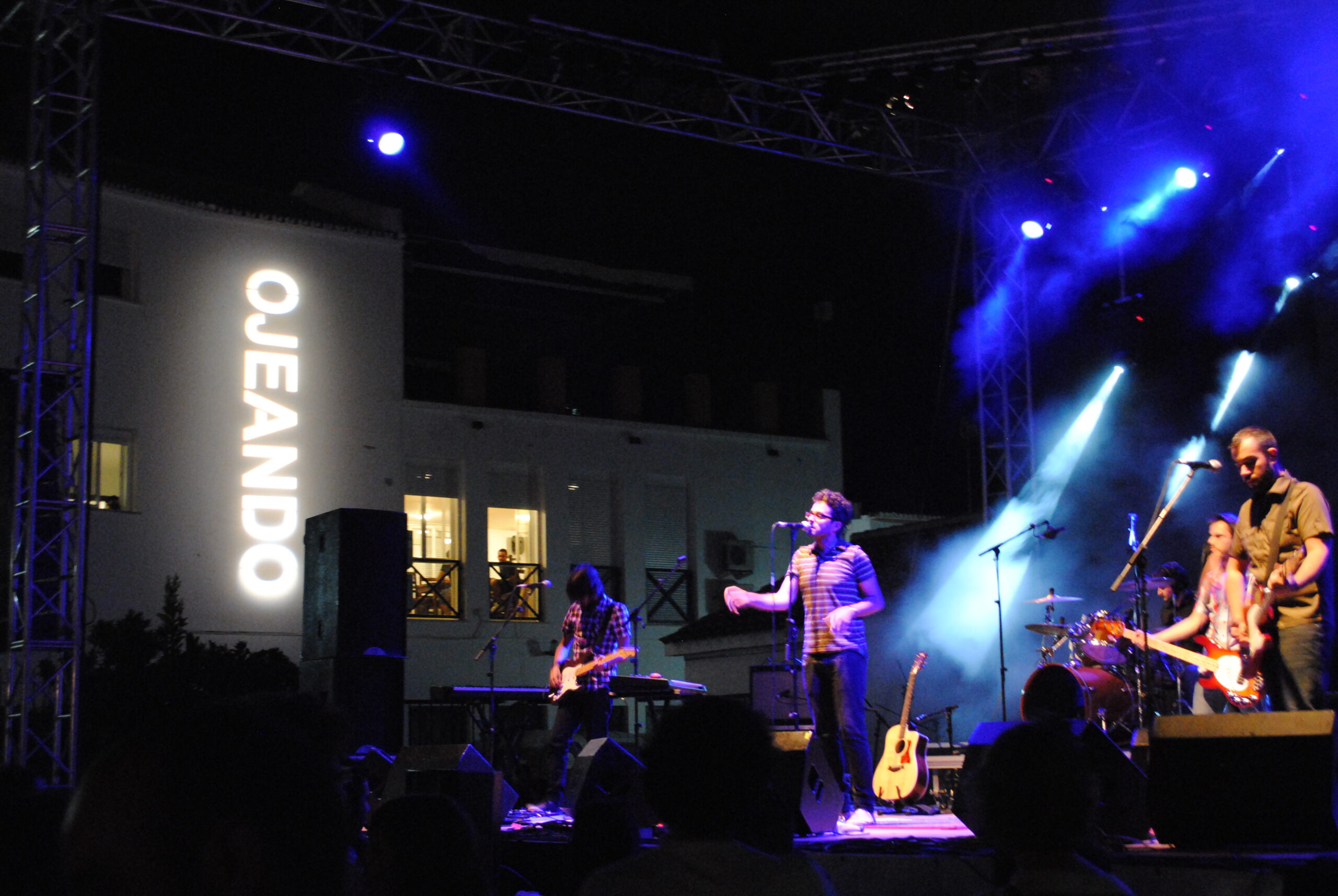
Visiting the Sierra de las Nieves during its festivals allows us to discover the destination at its most authentic, pure, and vibrant. Each season offers a different experience: spring brings processions, flowers, and religious celebrations; in summer, patron saint festivals, pilgrimages, and evenings spent outdoors take center stage; fall invites you to enjoy seasonal flavors—chestnuts, wine, and local products—and a sense of tranquility; and winter keeps popular and family traditions alive.
For travelers, festivals and celebrations are a unique way to experience the local culture. They offer the chance to learn about ancient customs and traditional recipes, listen to folk music, participate in activities, buy handicrafts, enjoy the hospitality of the local people, and understand the importance of community in mountain life.
The Sierra de las Nieves is nature, without a doubt, but it is also a time of festivities and celebration. It is a landscape, but it is also a shared memory. Its festivals invite you to return, to pause, and to discover that each village has its own unique way of observing the calendar.

 Mancomunidad