The Sierra de las Nieves World Biosphere Reserve is located in the heart of the province of Málaga. It is a complex area, with its own microclimates and home to a wide variety of species. This is due, essentially, to two factors: its geographic location, influenced by the Mediterranean, and the geology of its soils.
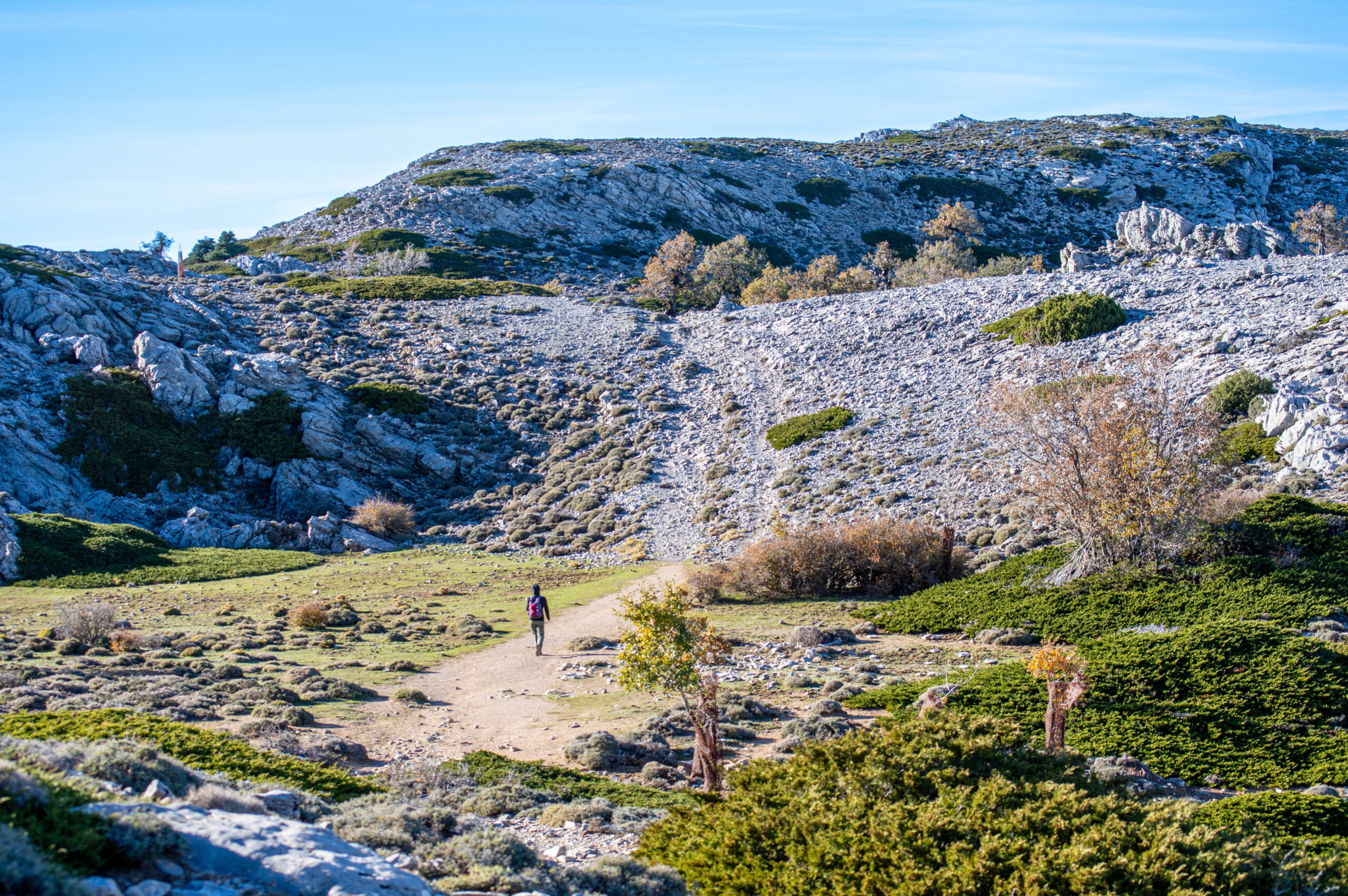
There are essentially three types of landscapes here: the white mountain ranges, the reddish mountain ranges, and the brown lands. The first type contains limestone, which gives it its light color. These mountains are higher and have sharper contours. Their geological composition allows countless cracks and cavities to form within them, giving rise to a mysterious cave system and also enabling them to retain large amounts of rainwater. They essentially function like a sponge. The region’s mightiest rivers—the Grande, Turón, Guadalevín, Genal, and Verde—originate here; when dammed at the Concepción Reservoir, they serve as the Costa del Sol’s primary water source. These rivers flow from north to south through the Reserve. The Sierra de las Nieves, Sierra Blanca, and Prieta ranges themselves are composed of this same rock.
The Bermeja Mountains are lower, less rugged, and composed of an extremely unique rock that is very rare on the Earth’s surface: peridotite. This rock formed in the mantle, more than 70 km deep, millions of years ago. Its high content of heavy metals makes it unsuitable for most vegetation; however, it is home to flora that has adapted to the extreme conditions of its soils. They are found in the southern part of the Reserve, near the coast and around Tolox. The Alpujata, Parda, and Real mountain ranges are prime examples.
In these mountain ranges, forestry activities and resource extraction have proliferated to obtain timber, charcoal, cork, game, and more. In addition, limestone was used for centuries to produce lime.
Third, there are the so-called “brown lands,” which have clayier soils and gentler, undulating terrain, making them more suitable for agriculture than the previous types of land. Most of these lands are located in the eastern part of the Reserve.
In this land so varied and diverse, only a story that was equally vivid and intense could unfold.
The history of the Sierra de las Nieves is long and spans a vast period of time. The earliest evidence of human presence comes from Homo heidelbergensis, whose remains—dated to nearly half a million years ago—were discovered in a cave in the Sierra de Canuchas (Monda). But it is during more recent prehistory that we begin to find traces of human communities that chose this resource-rich territory as their home: there are a relatively large number of caves with engravings and paintings, as well as numerous dolmens and some stone-tool workshops that reveal these early inhabitants’ interest in hunting and agriculture.
Through contact with ancient colonizers—especially the Romans—the region evolved and became part of a much broader and more connected world. It was an era not only of conquests but also of technical advances, the introduction of new agricultural products, and significant social changes. Traces of these historical periods can still be found throughout much of the Sierra de las Nieves.
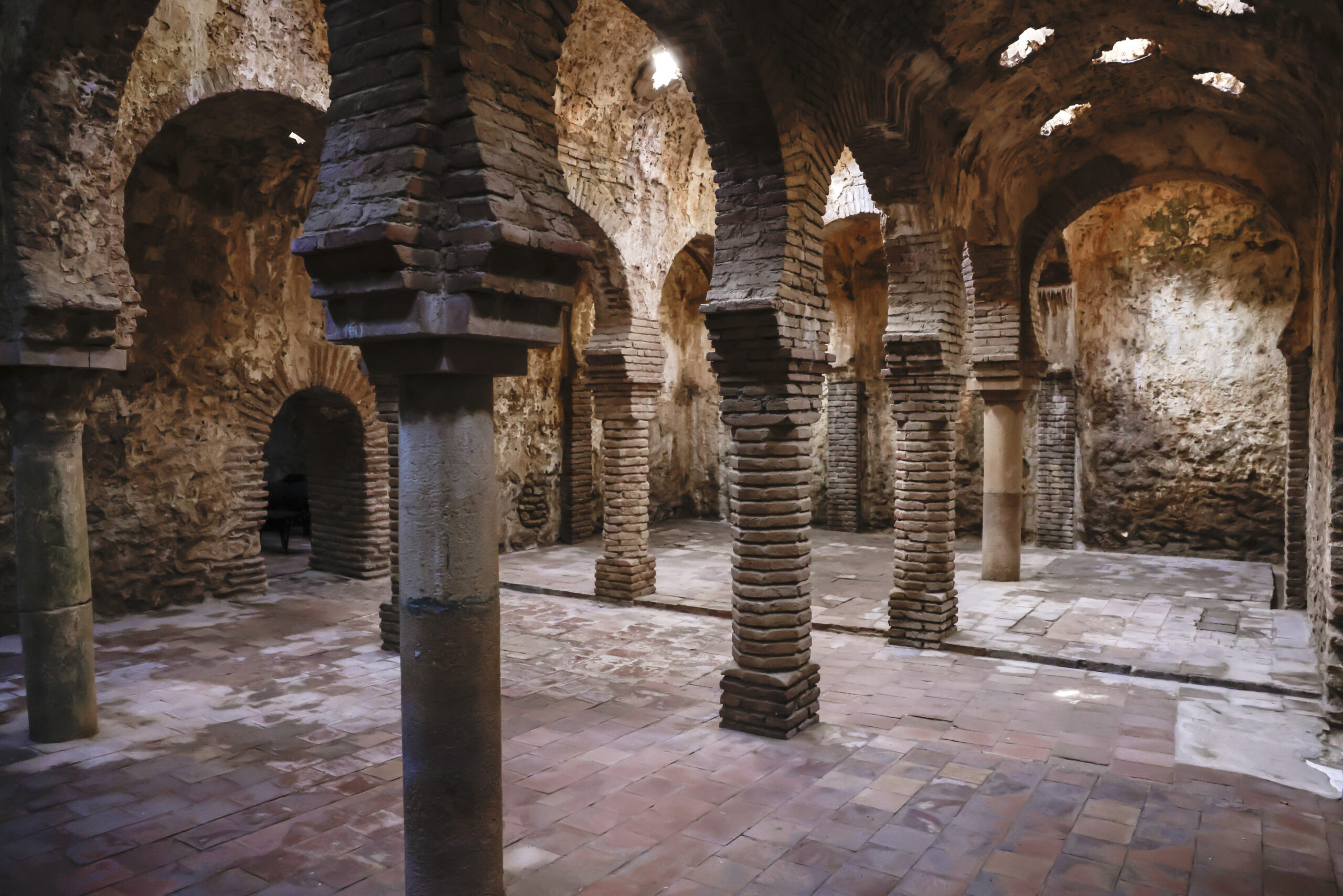
The fall of Rome and the arrival of the Visigoths paved the way for the rapid Muslim conquest during the Middle Ages. The Muslims established a powerful state, Al-Andalus, and a unique society, the Andalusí, which, despite its changes, endured for nearly eight centuries. From this long era, we have preserved numerous castles and towers, but also irrigation canals, mills, waterwheels, and vegetable gardens, since it was they who introduced irrigation, which they combined with new crops from distant and exotic lands (watermelon, citrus fruits, rice, spinach…). Most of the towns also emerged as stable settlements during this period, hence their striking similarities. In these lands, the language of Muhammad has been spoken for longer than Spanish.
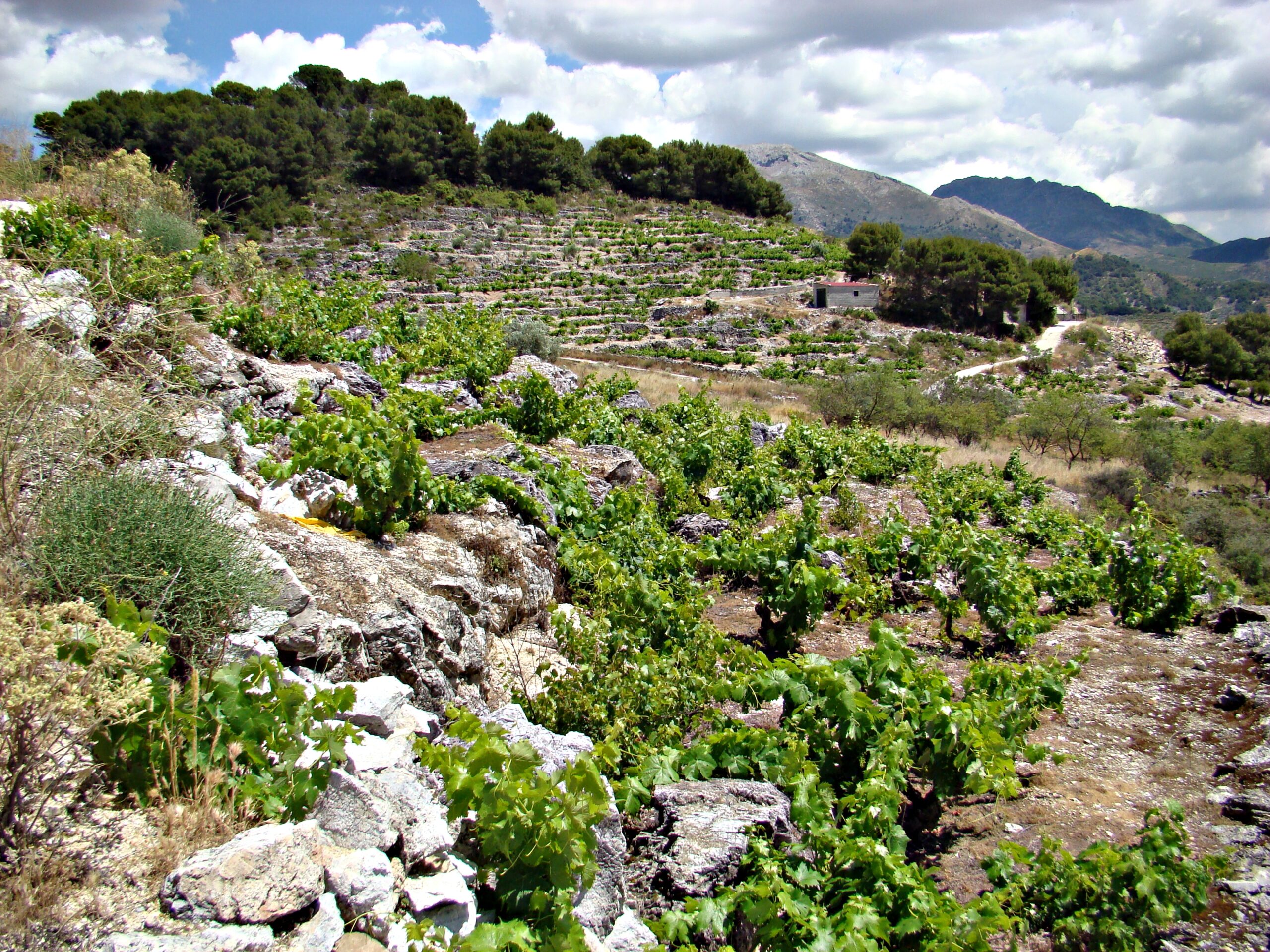
The Castilian conquest in 1492 brought about significant changes that, socially, culminated in the expulsion of the Moriscos and, in terms of urban development, in the replacement of mosques with churches and the proliferation of shrines and crosses throughout every corner of the territory. The landscape, intensely Christianized, continued to change, as the Christians introduced a multitude of crops from the New World (potatoes, corn, tomatoes, peppers…), which only served to enrich a humble and simple cuisine that was already rich in its own right. The grapevine, which had been the most important crop under Muslim rule, retained its prominence far above that of the olive and almond trees.
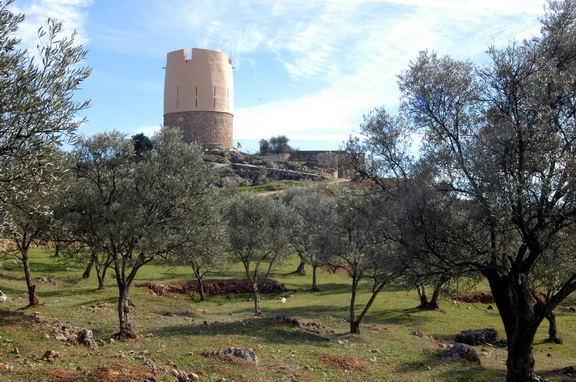
Various political upheavals would unfold in the Sierra de las Nieves over the following centuries; it is worth noting that the region’s mountainous terrain led Spanish militias to establish themselves in Yunquera during the War of Independence (1808–1812). There they built a tower, known as El Castillo, which played a leading role in a minor conflict. Even during this period, the Sierra de las Nieves played a part in Spain’s industrialization, as the Peñoncillo mine (Ojén) supplied iron ore to La Concepción, the blast furnaces installed by Agustín Heredia on the banks of the Verde River. Few people know that, to fuel these furnaces and smelt the iron, thousands of hectares of the surrounding area were cleared for charcoal production.
The transition from the Old Regime to the national state, the loss of the American colonies, and the crisis in the wine industry caused by phylloxera would define the 19th century, which ended with a stagnant economy. The continuous political and economic crises that followed continued to shape the subsequent years, culminating in the upheaval of the Spanish Civil War. In the Sierra de las Nieves, several battles were fought as part of the Battle of Málaga (February 1937). Its effects were felt for decades, during which hardship and emigration played a major role. It was not until the 1970s and 1980s that the economy began to show signs of improvement.
Joining the European Union, becoming part of a vast common market, and making significant investments in infrastructure and development policies have shaped the last few decades in this region, which has diversified its economy by making tourism a major pillar and looks to the future with optimism.
Every landscape in the world has a memory—a collective, shared memory. And this memory is shaped by the people who have lived there and continue to live there. The Sierra de las Nieves is no exception, and its rich history lies in the hundreds of generations of people who have inhabited it and drawn on its resources.
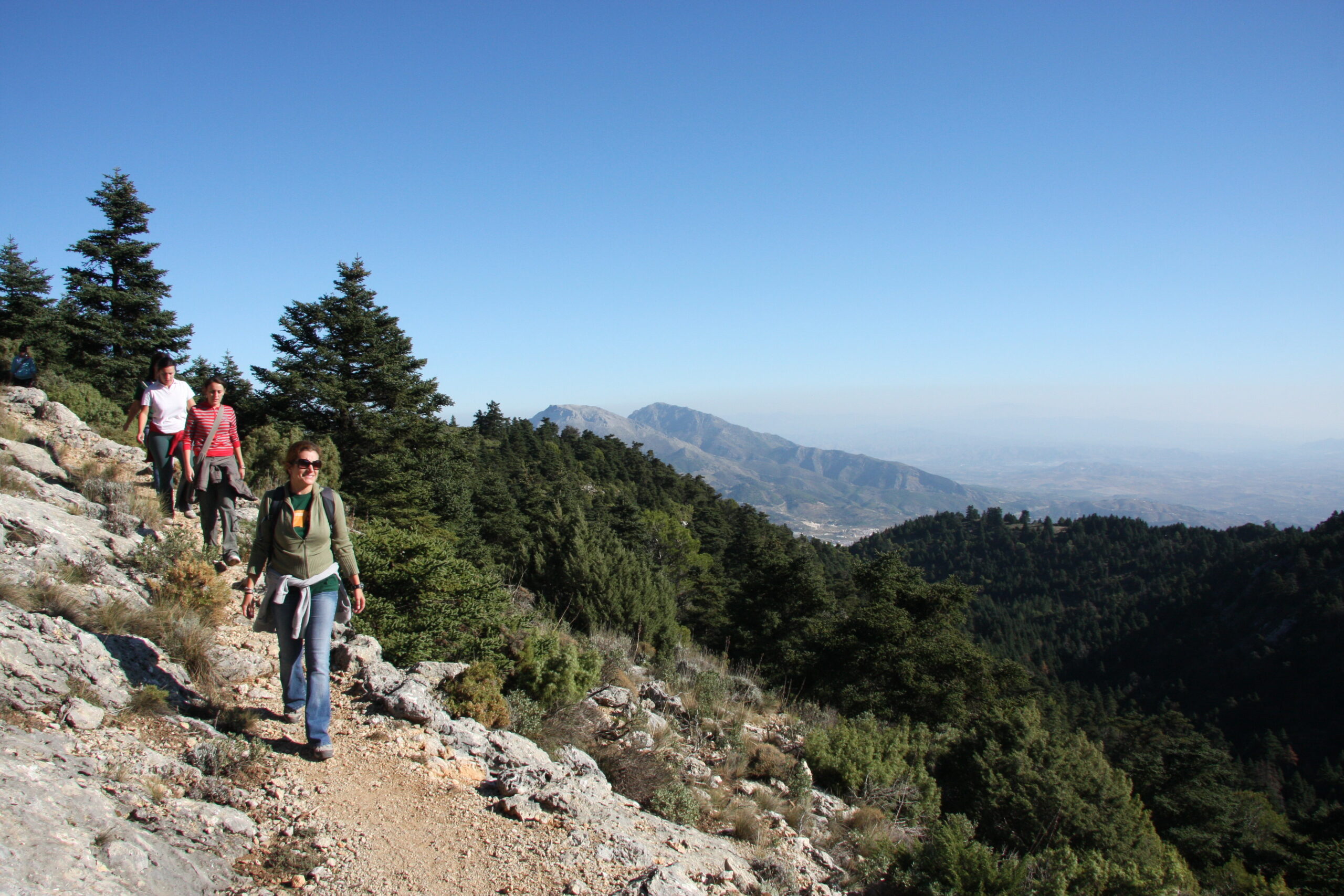
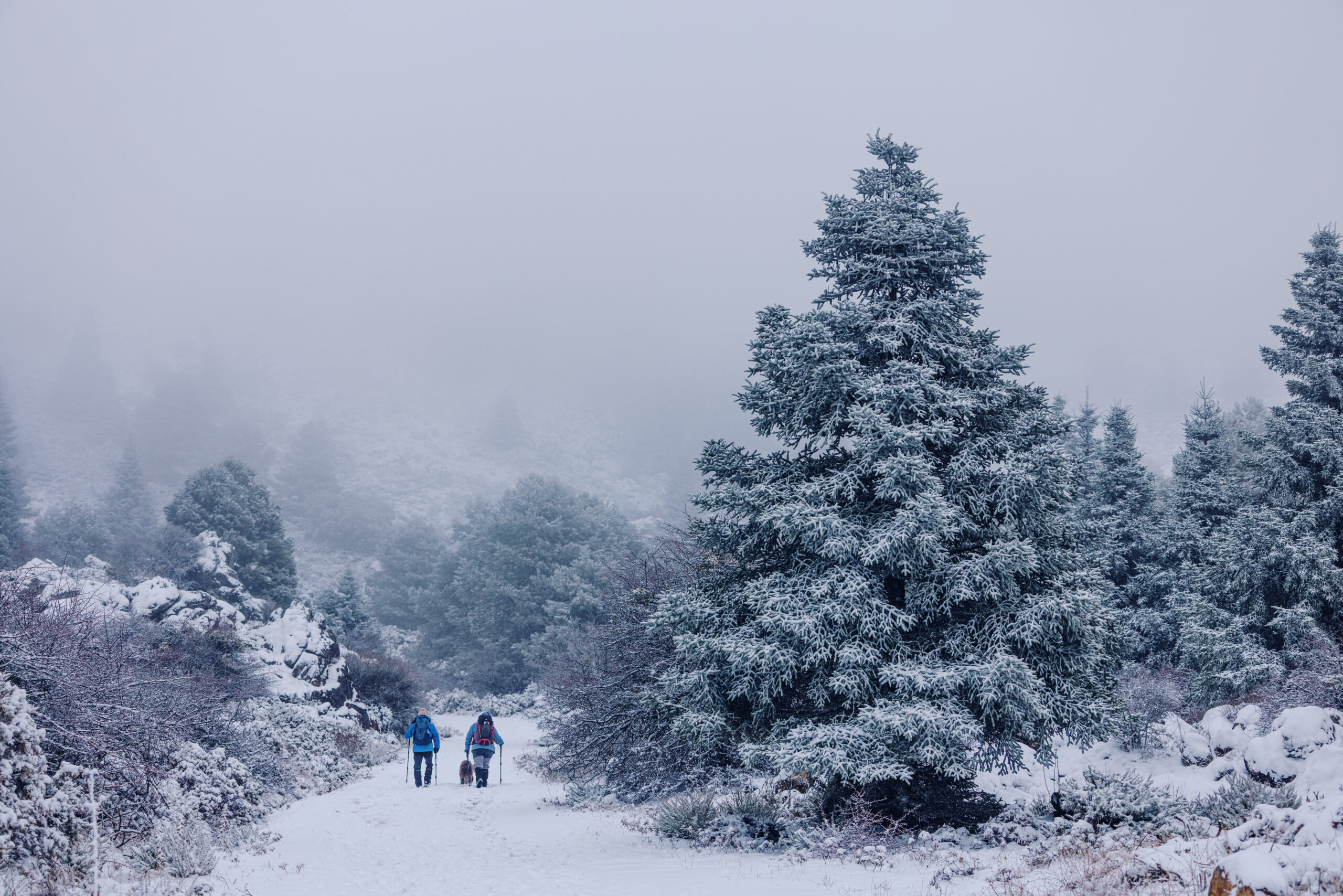
Exploring the Sierra de las Nieves National Park is a truly evocative experience, not only because of the beauty offered by the pinsapo and quejigo forests; it’s impossible to wander through its extensive network of trails without thinking of the muleteers, the snowmen, the cattle ranchers, and the charcoal burners… who made intensive use of its resources for many centuries; nor of the bandits and smugglers who used its caves and rugged terrain to take refuge and evade the law; nor can we forget the many travelers and botanists, such as Simón de Rojas Clemente and Edmund Boissier, who visited these mountains drawn by their flora—a journey that led to the discovery of the Spanish fir as a new species…
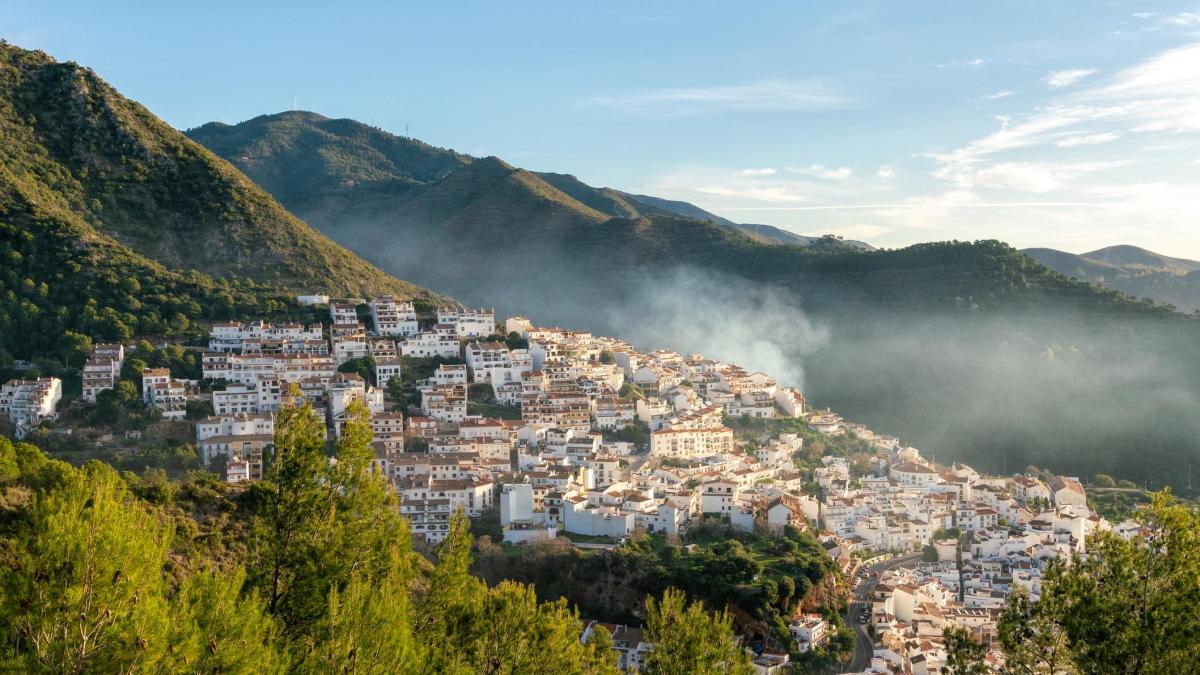
Its designation as the Sierra de las Nieves National Park in 2021 definitively cemented the recognition of values that had already earned it the status of Natural Park (1989) by the Regional Government of Andalusia and that of a UNESCO World Biosphere Reserve (1995). It is one of Spain’s most valuable natural areas, encompassing a large protected area in the province of Málaga, and it recognizes the uniqueness of its ecosystems, biodiversity, landscapes, and associated cultural heritage.
Venturing into the Sierra de las Nieves means discovering the perfect destination for hiking, active tourism, photography, and gastronomy—but also for relaxation in villages with deep-rooted traditions and a distinct identity. Visiting the region is also a commitment to respect: it means walking on the marked trails, caring for the environment, leaving no trace, and protecting the delicate balance of a unique ecosystem.
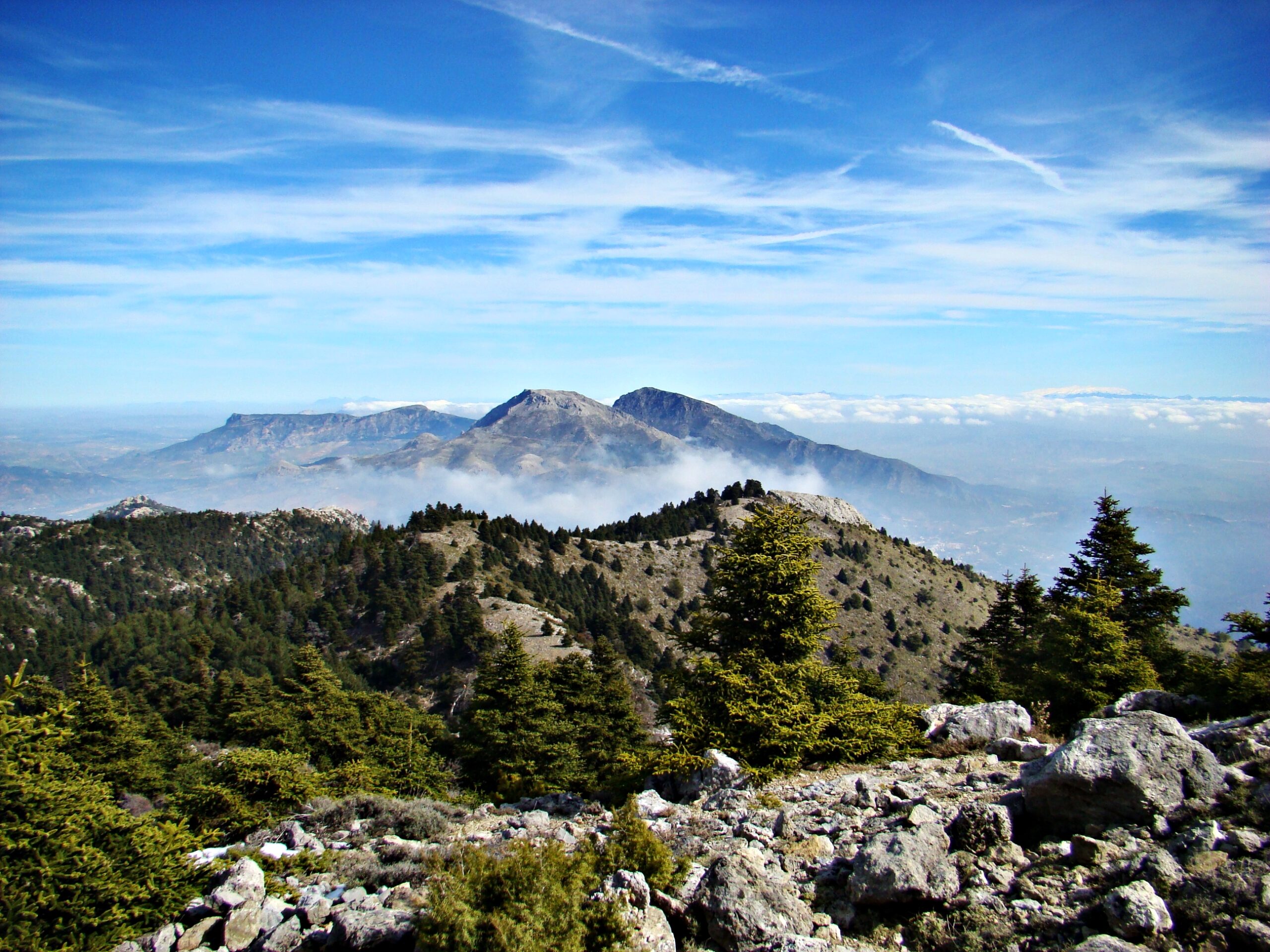
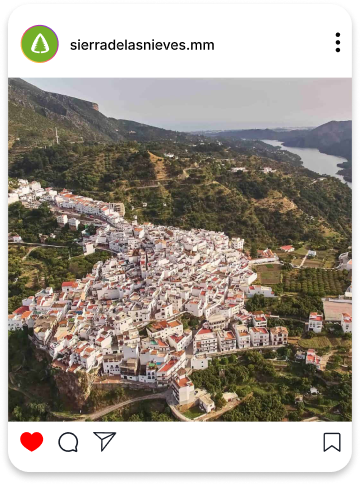
The Sierra de las Nieves is a place to take in the sights and enjoy at a leisurely pace, without rushing. To hear the water trickling among the rocks, to feel the wind sweeping through the ravines or the magical silence of the Spanish fir forests, to gaze at some of its poetic sunsets from a lookout point, or to lose yourself in the white labyrinth of its villages. A destination where history isn’t confined to museums, but lives on in the mountains, on the trails, in the traditional crafts, and in the daily lives of its people.

 Mancomunidad