The Sierra de las Nieves is a living landscape, characterized by a wide variety of environmental conditions and a rich diversity of vegetation and landforms. Its mountain ranges, forests, ravines, rivers and streams, gorges, and high-mountain areas provide refuge for a diverse array of wildlife, adapted to the various types of habitats and ecosystems that make up the National Park, the Biosphere Reserve, and their surrounding areas. Here, birds of prey, forest mammals, reptiles, amphibians, small forest-dwelling birds, and even riverine species of great ecological interest—such as the otter—coexist, maintaining stable populations with guaranteed conservation.
The Ministry for Ecological Transition and the Demographic Challenge (MITECO) defines the Sierra de las Nieves as an important refuge for wildlife, especially for species native to mid- and high-altitude mountain regions. This rich biodiversity makes the destination an ideal place for nature observation, hiking, and photographing birds, flora, and fauna, as well as for practicing responsible tourism in the area.
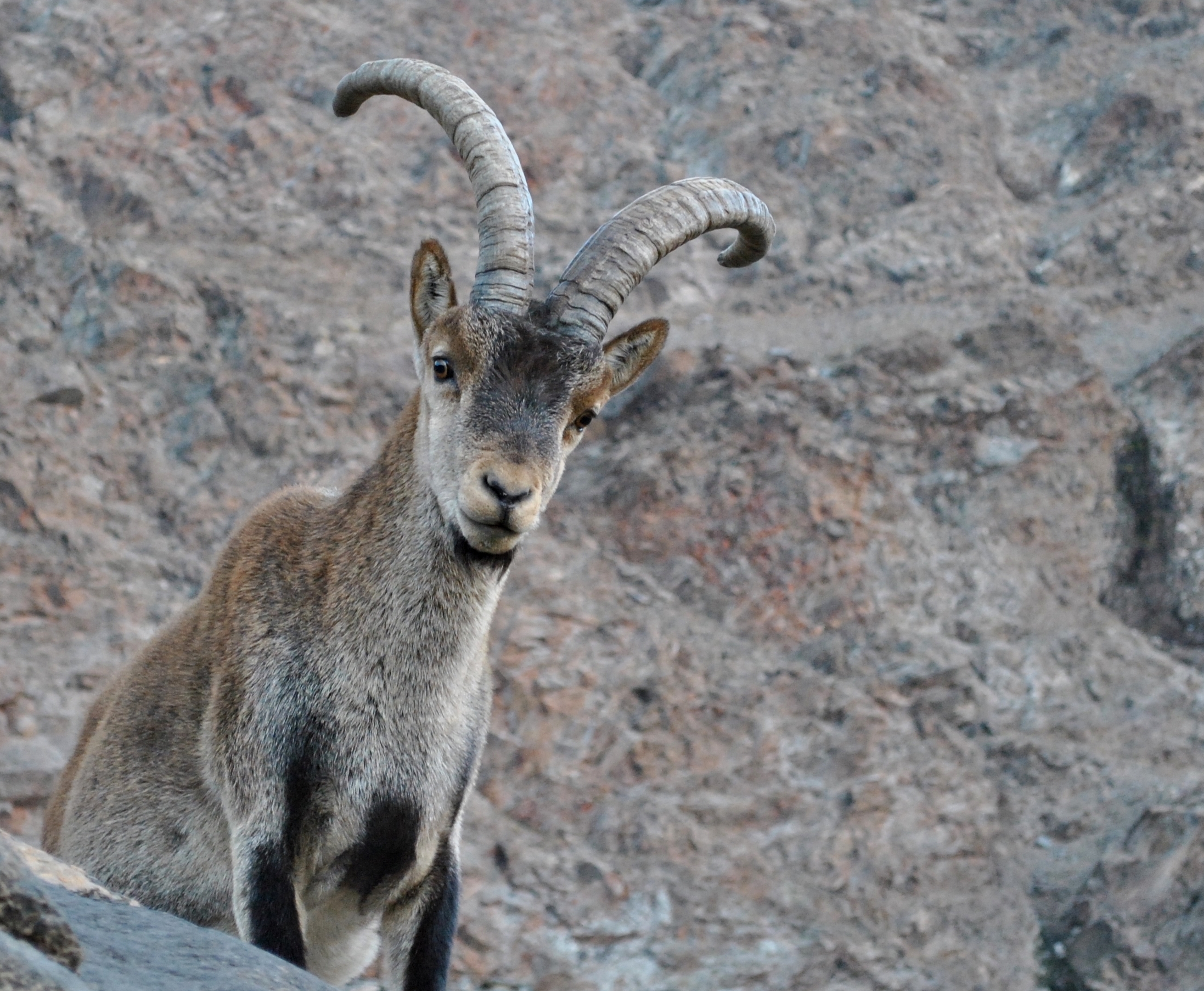
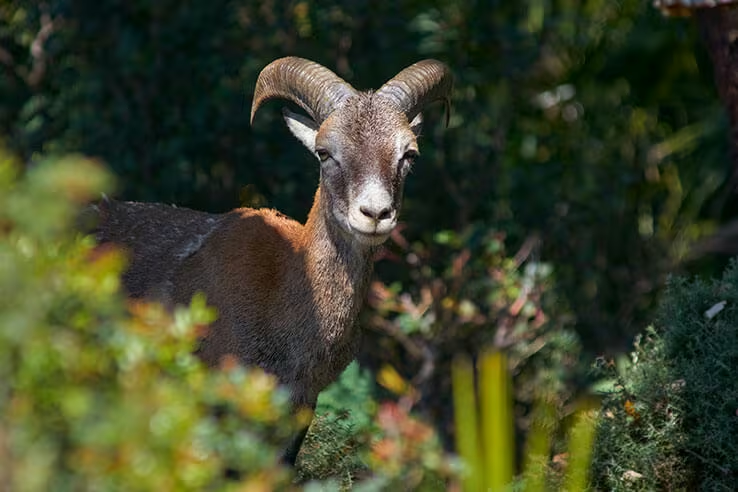
The most iconic and representative animal of the Sierra de las Nieves is the Spanish mountain goat (Capra pirenaica hispánica), which has always been present in the area. It is a large wild herbivore belonging to the Bovidae family—agile, hardy, and perfectly adapted to rocky terrain; the estimated population stands at around 1,200–1,500 individuals, with a density of between 2.2 and 3.5 individuals per square kilometer. Groups of 15 to 25 individuals can be spotted on slopes, cliffs, and high-altitude areas, especially along mountain trails and in quiet spots. Their presence is one of the most recognizable features of the Sierra de las Nieves, along with the Spanish fir.
Among vertebrates, birds are the group with the greatest number of species—more than 150—of which at least 91 are nesting species, and the skies over the Sierra de las Nieves are home to large birds.
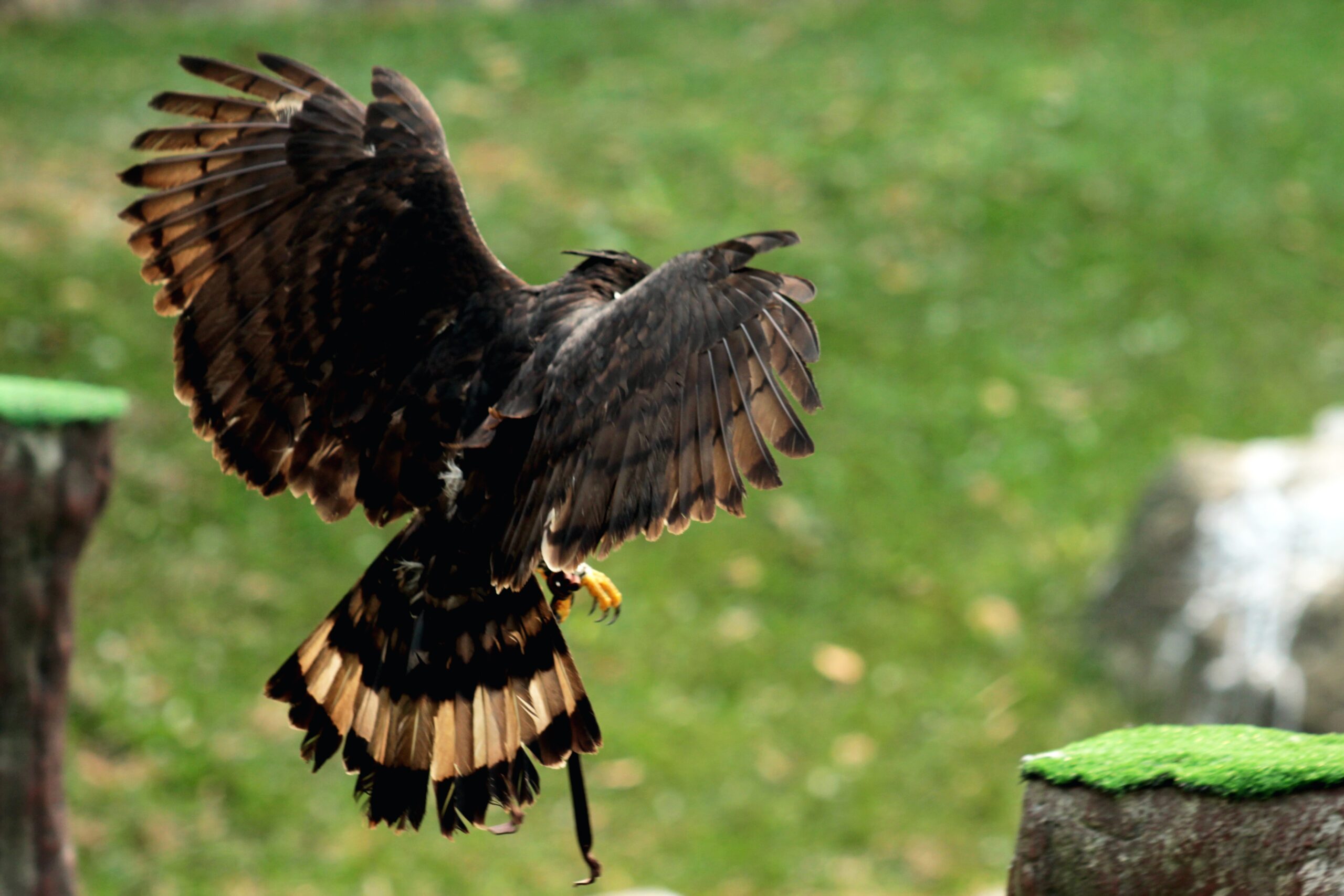
In its cliffs, ravines, and open areas, large Iberian birds of prey can be observed, such as the golden eagle, short-toed eagle, Bonelli’s eagle, and booted eagle, as well as the common buzzard—all of which have several breeding pairs. The griffon vulture and the Egyptian vulture are becoming increasingly common. Goshawks and sparrowhawks are frequent in forested areas, as are peregrine falcons and kestrels in more open areas, and even some harriers in farmland.
Given its location—in the south of the European continent and very close to the African continent—other species use the area as a stopover and resting place along their migratory routes. The eagle owl, the tawny owl, the barn owl, the little owl, the scops owl, the long-eared owl, and even the short-eared owl make up the range of nocturnal birds of prey that share hunting grounds across the various ecosystems.
For birdwatchers, the Sierra de las Nieves offers a truly comprehensive experience. In addition to the birds of prey already mentioned, you can spot small mountain birds, forest species, and riverine birds such as herons, water rails, dippers, and kingfishers, along with some species of ducks and shorebirds that frequent the rivers and wetlands.
Among the various species of corvids, the red-billed chough stands out on the cliffs, and the jay is found in the forests and near farmland. Partridges and quail are also common in the scrublands and fields. Wood pigeons, rock pigeons, turtle doves, and various species of woodpeckers—such as the great spotted woodpecker and the European green woodpecker—are common in pine forests, holm oak forests, and Spanish fir forests. Swallows, swifts, and martins nest on cliffs and in urban buildings.
A multitude of small insectivorous birds such as robins, wheatears, wagtails, warblers, nightingales, blackbirds, thrushes, goldcrests, coal tits, and blue tits, along with seed-eating birds such as goldfinches, greenfinches, yellowhammers, linnets, chaffinches, buntings, and hawfinches, are found throughout farmlands, scrublands, grasslands, and forests.
Each habitat has its own species. In the forests, you can hear birds singing quietly among the branches. In the ravines, birds that thrive on rocky cliffs can be found. Along waterways, species associated with humid environments find refuge. And on the mountaintops, life adapts to the wind, the cold, and the rock.
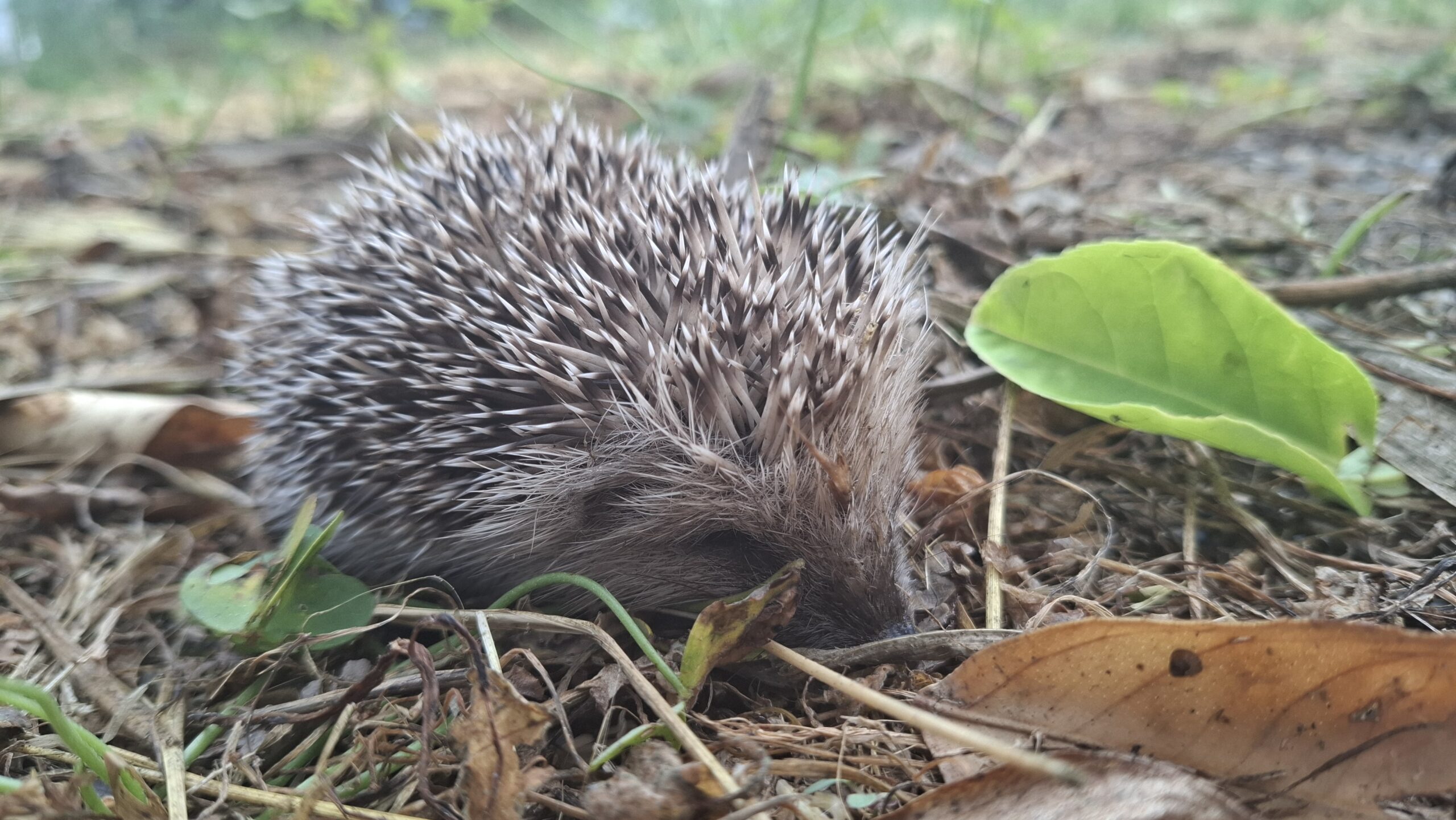
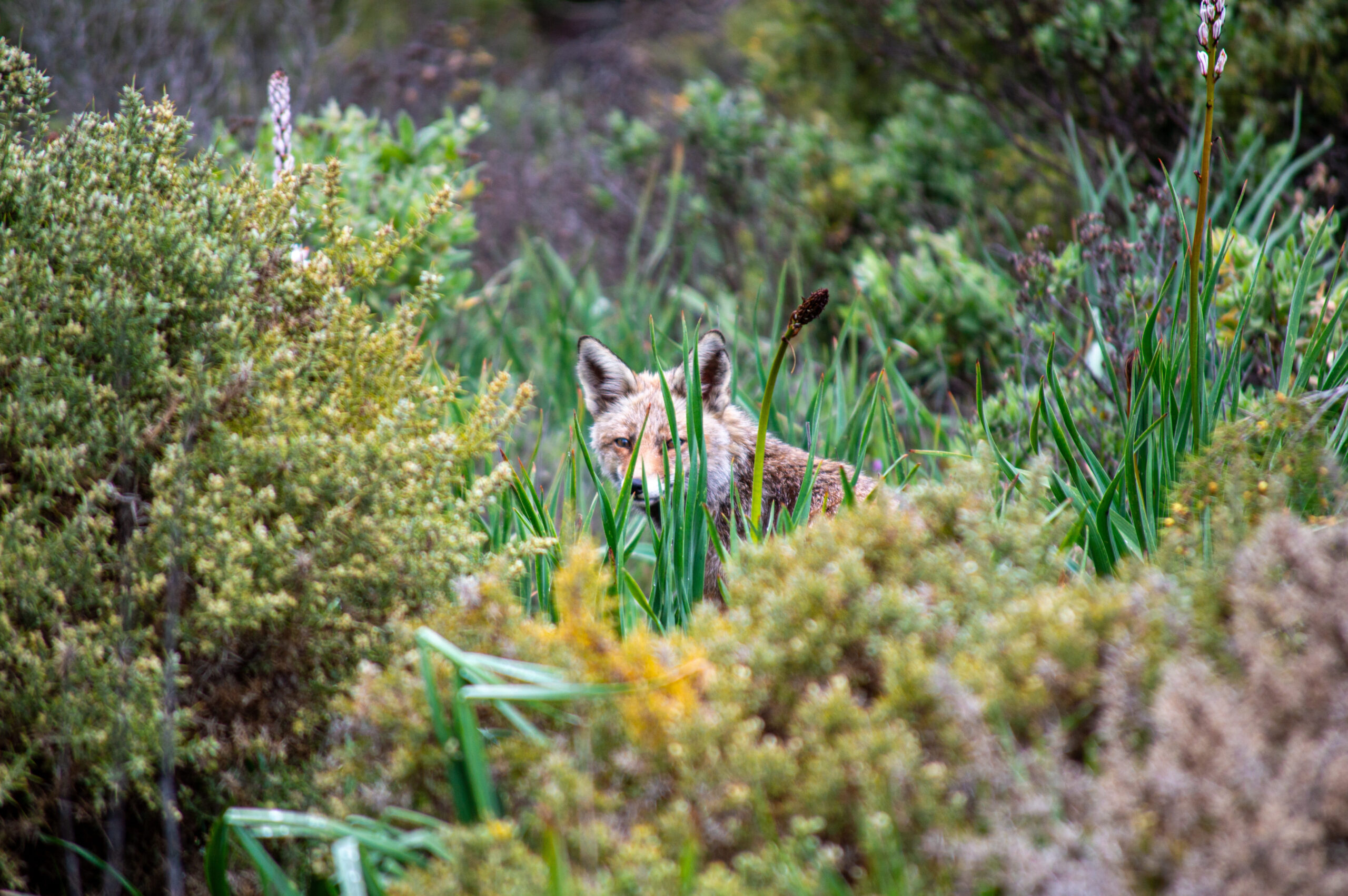
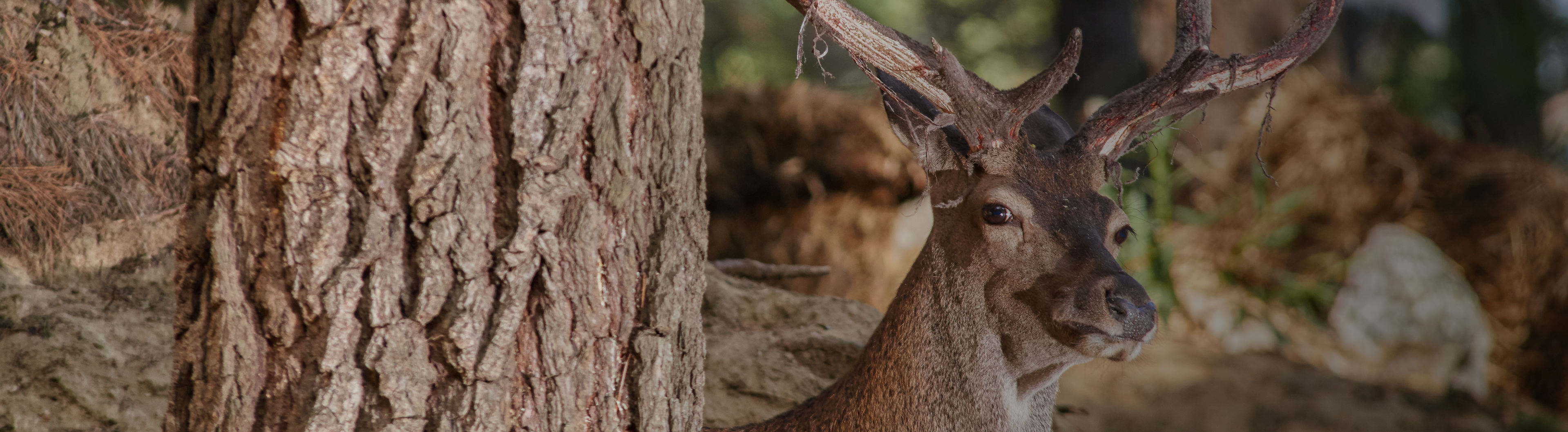
In addition to the mountain goat, which finds an ideal habitat in the region’s rugged mountains, the Sierra de las Nieves is home to mammals such as the fox—which can be seen both near towns and in the mountains— and wild boars—which are widespread throughout the region, although in most cases they are hybrids resulting from crossbreeding with domestic pigs—along with genets, martens, weasels—which live mainly in the forests—and badgers, mongooses, and wildcats, which inhabit the scrubland areas.
Rabbits and hares remain very abundant in some areas, although their populations have been severely decimated by various diseases. Other small animals that move between forests, scrublands, and open areas are also abundant, such as the common rat, the field rat, and the water rat; the field mouse and the house mouse; the vole, the dormouse, and insectivores such as moles, hedgehogs, shrews, and pygmy shrews; these animals constitute the main food source for carnivores and birds of prey.
Also worth noting is the presence of up to eight species of bats, some of which are closely associated with caves.
Many of these animals are hard to spot because they move about or are most active at dawn, dusk, or at night. However, their tracks, signs, and sounds are part of the experience of exploring the mountains with care and respect.
The Sierra de las Nieves offers a wide variety of wildlife experiences that invite travelers to walk slowly, contemplate its endless landscapes in silence, and respect the rhythms of nature. It’s not just about seeing animals, but about understanding that you’re entering a living, protected space where you must take into account the geographical characteristics of the territory and the seasonal changes that occur throughout the year—because the arrival of winter largely halts the activity of many animals, such as insects, amphibians, and reptiles, driving those that inhabit the peaks to lower elevations; spring brings an explosion of life, and the summer heat once again slows the activity of many species, which spend the day resting and conserving their energy for twilight and nighttime hours; With the arrival of fall, the onset of rains offers new possibilities, as animals need to feed well in order to build up reserves for the winter.
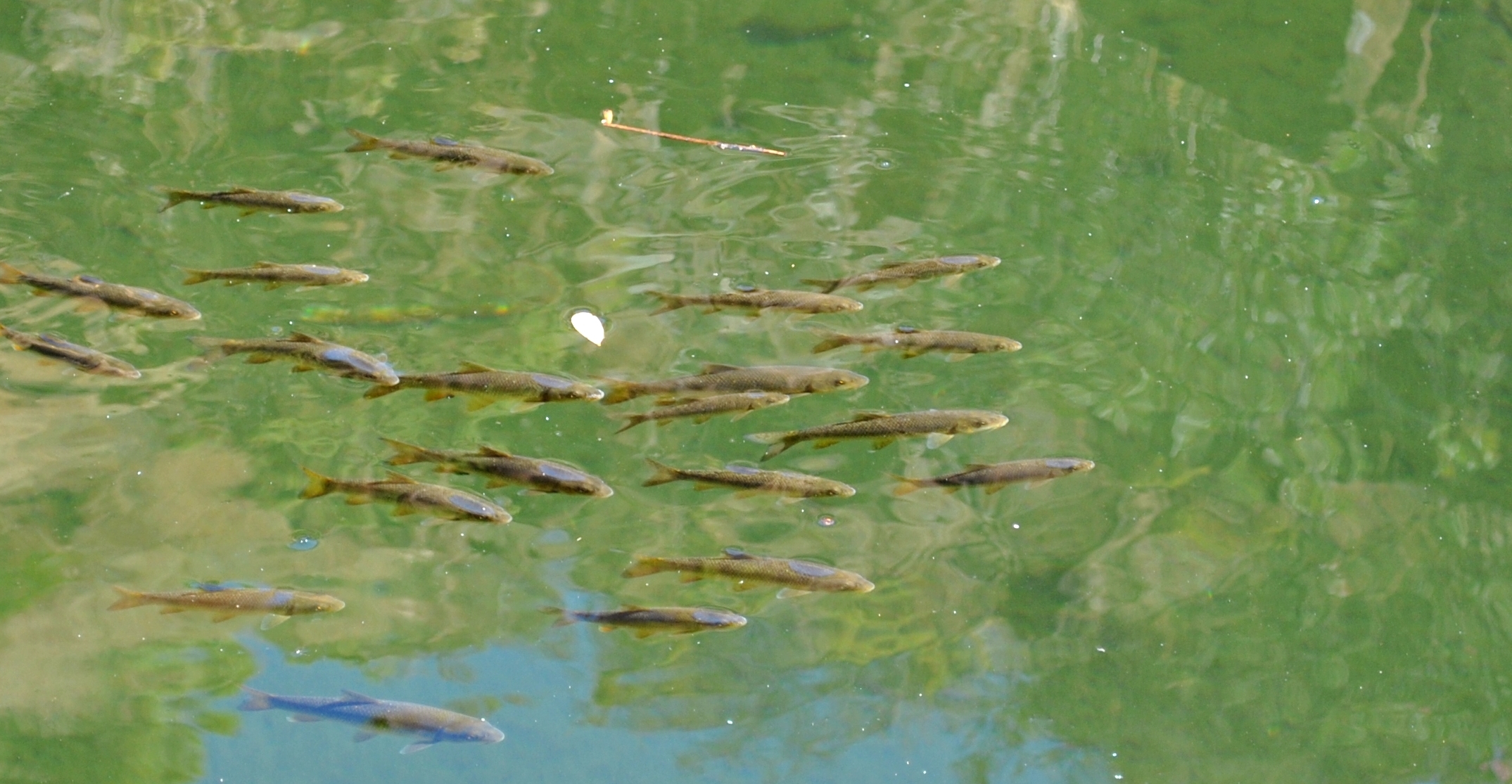
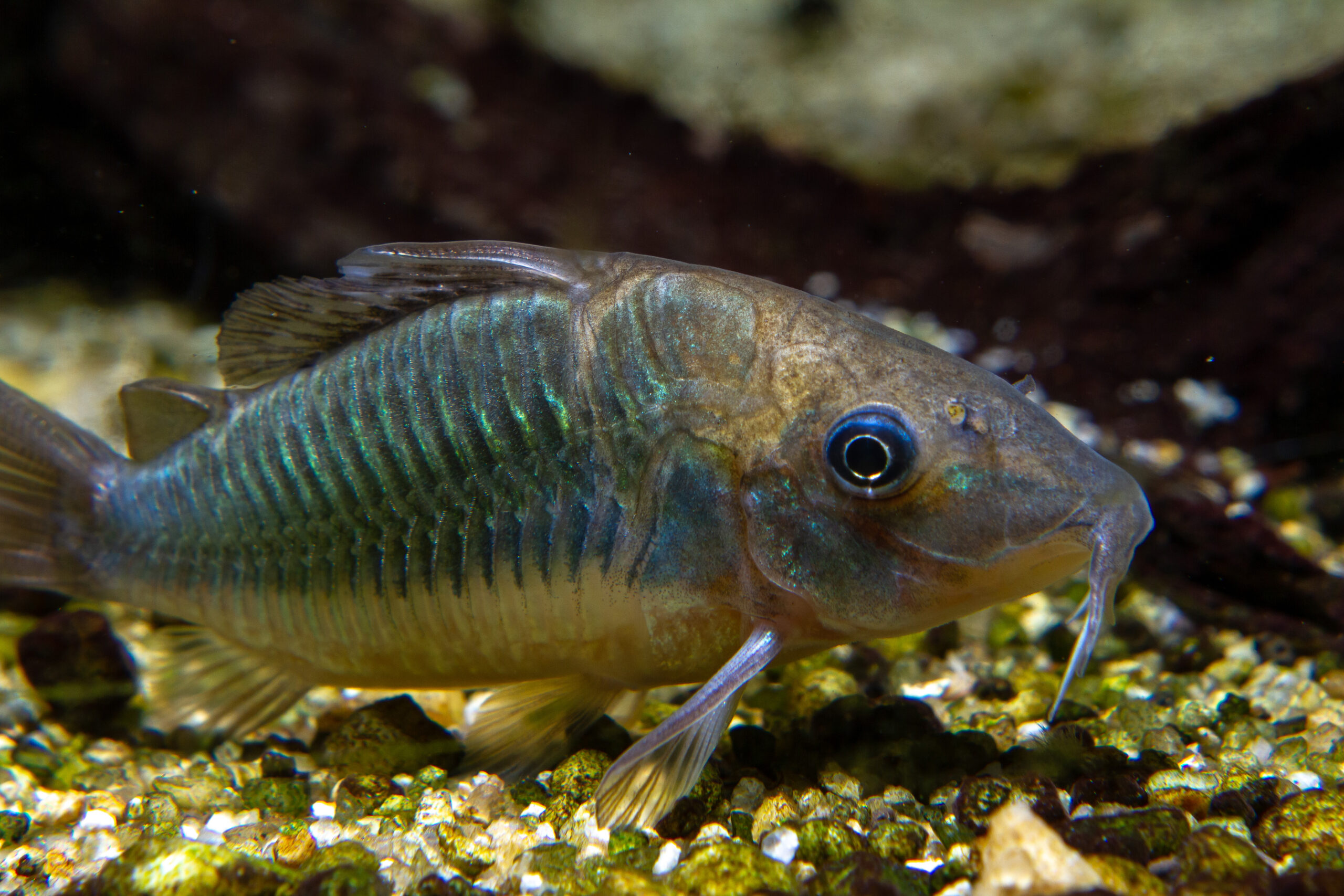
Waterways, streams, and wetlands are also important for the region’s biodiversity. They are home to fish, amphibians, insects, and reptiles; with river species of particular interest such as the barbel, the boga, and the Málaga gudgeon—a species endemic to the provinces of Málaga and Cádiz—as well as the river blenny, a threatened species that finds some of its last remaining habitats in Andalusia within the Sierra de las Nieves. Other species, such as rainbow trout, carp, tench, and black bass, have been introduced into some rivers and the Río Verde reservoir for recreational fishing.
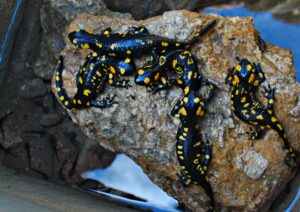
Amphibians are also well represented. The common frog, the San Antonio frog, and the spotted toad are common in aquatic habitats. The common toad, the running toad, the spurs-toed toad, and the spotted toad can live in more terrestrial environments, although they need small pools to complete their reproductive cycle; as a result, their eggs are often found on the pillars of fountains located in the mountains. The salamander, the Gallipato, and the marbled newt—all members of the group of amphibians that retain their tails in adulthood—also find these water basins to be a good place to live and lay their eggs.
The area is notable for the presence of several groups of reptiles with distinct behaviors. Among the turtles, two species of tortoise—the leprous tortoise and the European tortoise—are abundant; the ocellated lizard, the long-tailed lizard, the red-tailed lizard, and the Iberian lizard are widely distributed, showing a particular preference for scrubland, sandy terrain, and rocky areas. Two species of geckos—the three-toed gecko and the blind snake—round out the group of saurians.
The most striking group of reptiles is that of snakes: grass snakes are well represented—including the water snake, the common snake, the horseshoe snake, ladder snakes, the southern smooth snake, and the hooded snake—and the only venomous snake is the snub-nosed viper, easily identifiable by its small, somewhat stocky appearance, grayish color with a dark zigzag pattern along its back, triangular head, and small horns on its snout; but its nocturnal habits and low level of aggression mean that documented cases of it biting people are very rare and few and far between.
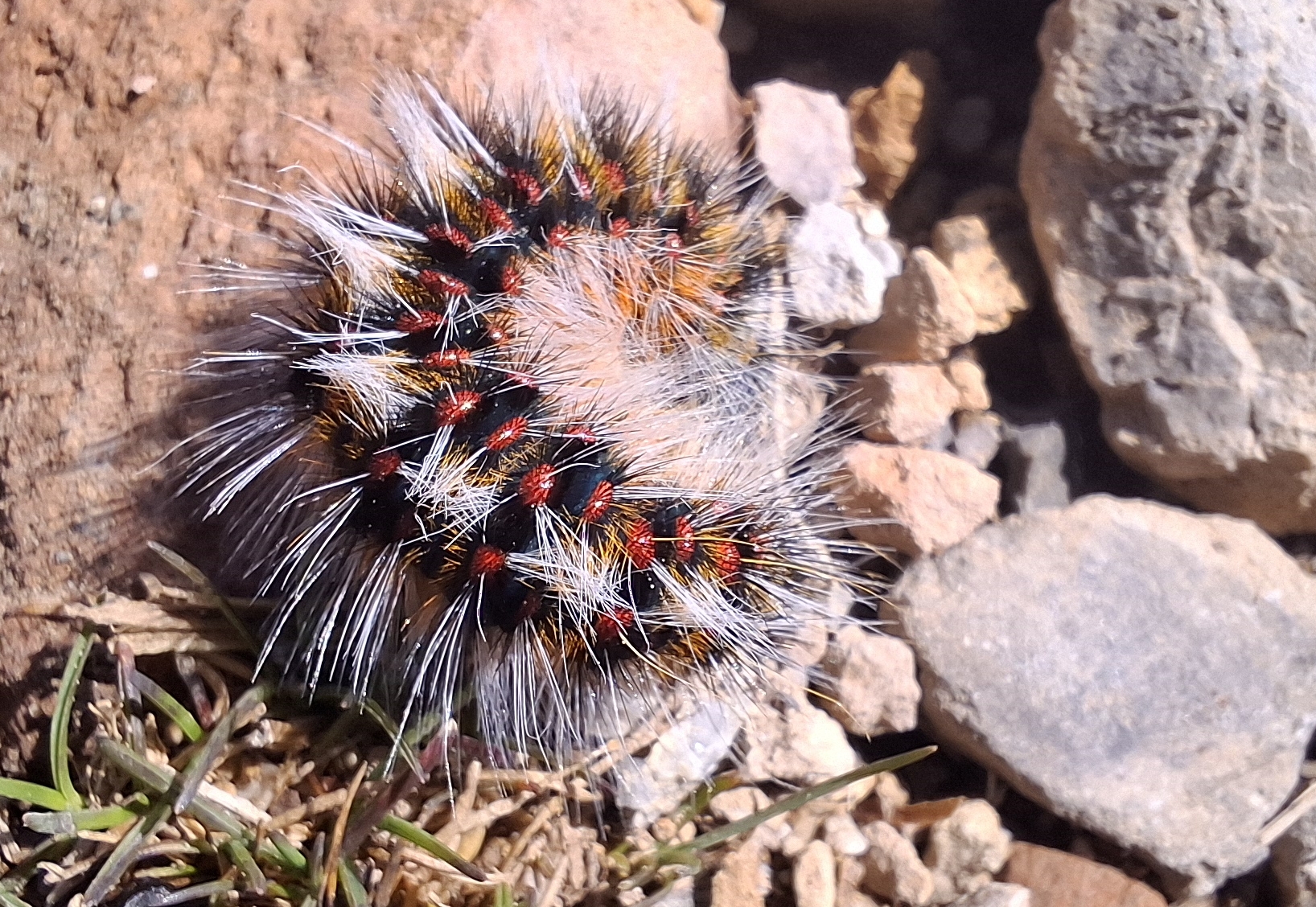
As for the invertebrates—which often go unnoticed despite comprising the largest number of animal species and individuals—they are also very well represented, with a wide variety of insects that delight entomology enthusiasts: butterflies, bumblebees, beetles, dragonflies, and various spiders. There are some cases worthy of special mention, such as several species of insects that have evolved alongside the Spanish fir, becoming endemic to Spanish fir forests: butterflies, wood-boring beetles, and some species of aphids that can become pests of the Spanish firs.
These tiny creatures that inhabit the Sierra de las Nieves often go unnoticed, due to a near-universal lack of awareness and visitors’ preference for other species, but they are essential to the ecological balance. Their presence is an indicator of habitat quality and serves as a reminder of the importance of conserving the mountains’ rivers, springs, and streams, as well as the other habitats in which they thrive.
The Sierra de las Nieves is an ideal place to enjoy the wildlife, but always with respect. It’s best to stay on the marked trails, not feed the animals, avoid making loud or unnecessary noises, keep your distance from nests and young animals, and use binoculars to observe without disturbing them.
Wild animals are elusive and cautious, and they won’t show themselves unless they’re certain they’re in no danger; most of the time, visitors must content themselves with observing, sensing, and interpreting the sounds, tracks, or other signs that let them know the animals are there; that is why the best way to enjoy wildlife is to blend into the landscape quietly and responsibly.
Sometimes the most valuable experience isn’t a great photograph, but rather watching a bird in flight or seeing it flap its wings as it passes very close by, discovering a footprint in the mud, or watching a mountain goat disappear among the rocks or into the fog on winter days.
In addition to the mountain goat, the Sierra de las Nieves is home to mammals such as foxes, wild boars, wildcats, genets, badgers, rabbits, hares, and other small animals that roam through forests, scrublands, and open areas. In winter, the Sierra de las Nieves tourism website highlights the activity of mammals such as foxes, wildcats, and badgers, as well as the presence of mountain goats and mouflons on the highest peaks.
Many of these animals are hard to spot because they are active at dawn, dusk, or at night. However, their tracks, signs, and sounds are part of the experience of exploring the mountains with a keen eye.
The wildlife of the Sierra de las Nieves invites you to walk slowly, observe in silence, and respect the rhythms of nature. It’s not just about “seeing animals,” but about understanding that you are entering a living, protected space.
Waterways, streams, and wetlands are also important for the region’s biodiversity. They are home to amphibians, insects, reptiles, and aquatic species of special interest. MITECO highlights the presence of the Málaga newt, endemic to the provinces of Málaga and Cádiz, and the river blenny, a threatened species that finds some of its last remaining habitats in Andalusia within the Sierra de las Nieves.
These tiny creatures often go unnoticed, but they are essential to the ecological balance. Their presence is an indicator of habitat quality and serves as a reminder of the importance of conserving the rivers, springs, and streams of the mountains.
The Sierra de las Nieves is an ideal place to enjoy the wildlife, but always with respect. It’s best to stay on the marked trails, not feed the animals, avoid unnecessary noise, keep your distance from nests and young animals, and use binoculars to observe without disturbing them.
The best way to enjoy wildlife is to blend into the landscape quietly and responsibly. Sometimes the most rewarding experience isn’t a great photograph, but hearing a bird in flight, discovering a footprint in the mud, or watching a mountain goat disappear among the rocks.

 Mancomunidad