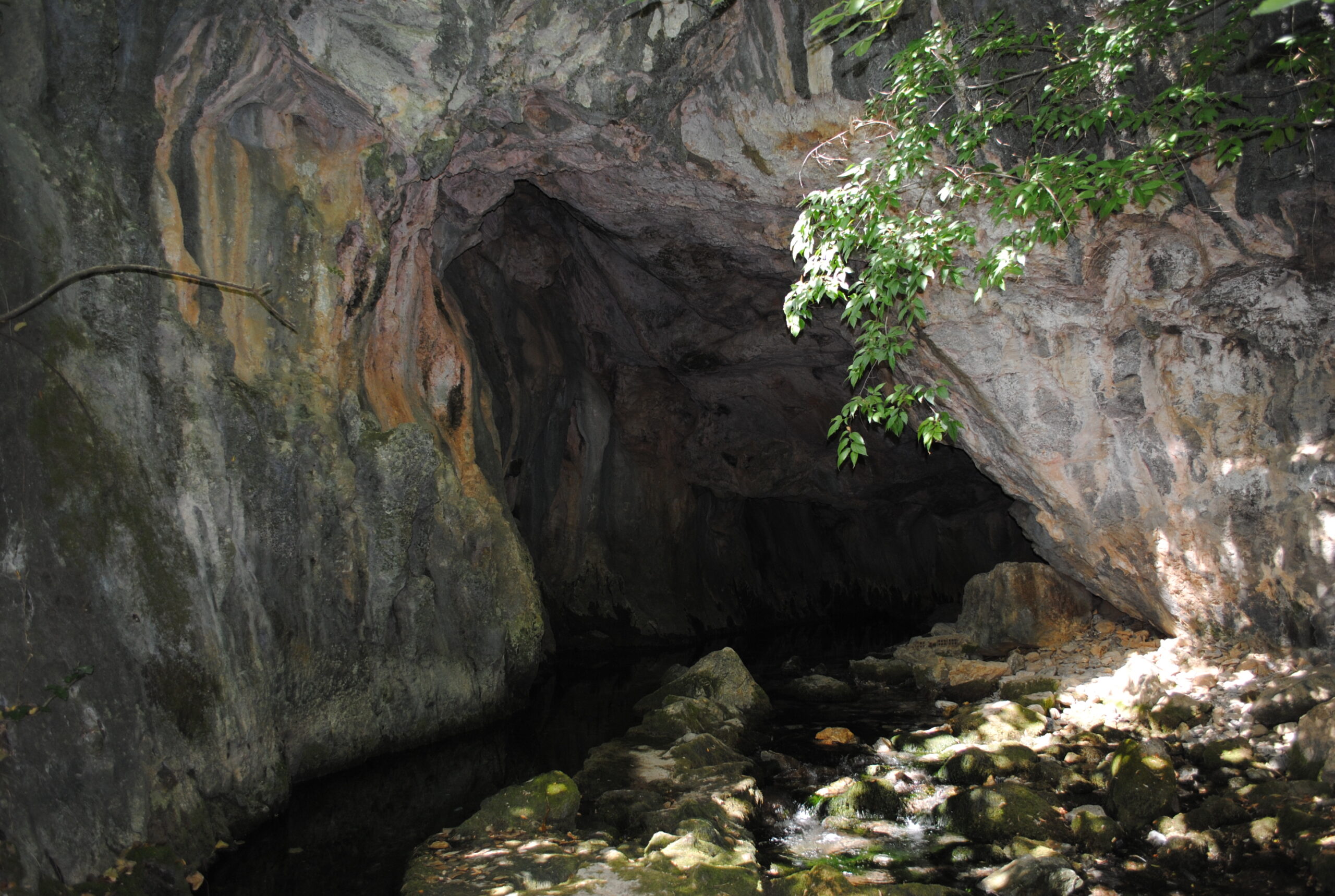

We are standing before yet another of the spectacular springs in the Sierra de las Nieves—perhaps the most spectacular of all. This one is located in Yunquera, below the stunning landscape of Porticate. The area is of unparalleled beauty because the river springs from within a huge cavern, over which a beautiful waterfall cascades. Its waters emerge from the cavernous interior of the Sierra de las Nieves, and its source is known as Zarzalones.
This spring has been explored by expert divers. Its siphon—or the underground passage that feeds it—is a true mecca for cave diving due to its difficulty; it is the largest siphon in Andalusia and the fourth largest in Spain. It consists of more than 1,200 meters of underground galleries, the end of which has not yet been found. It is connected to the great chasms of the Sierra de las Nieves, such as the GESM.
Its abundant waters flow through a narrow ravine that is a delight for canyoneers, feeding a series of vegetable gardens and, in the past, an old cloth fulling mill. Downstream, little by little, the riverbed widens and swells with the inflows of other rivers and streams, creating the stunning Río Grande Valley, where citrus trees thrive and, in the spring, give off a powerful scent of orange blossoms. It forms an area of great natural and cultural value, since, on the one hand, it creates unique river ecosystems that are home to flora and fauna of great ecological value, and, on the other hand, because humans have been making use of it for millennia. Its waters have been widely used since Roman times, but it was during the Middle Ages, with the Al-Andalus culture, that their use reached its peak through irrigation ditches, orchards, reservoirs, water mills… and the introduction of new crops.
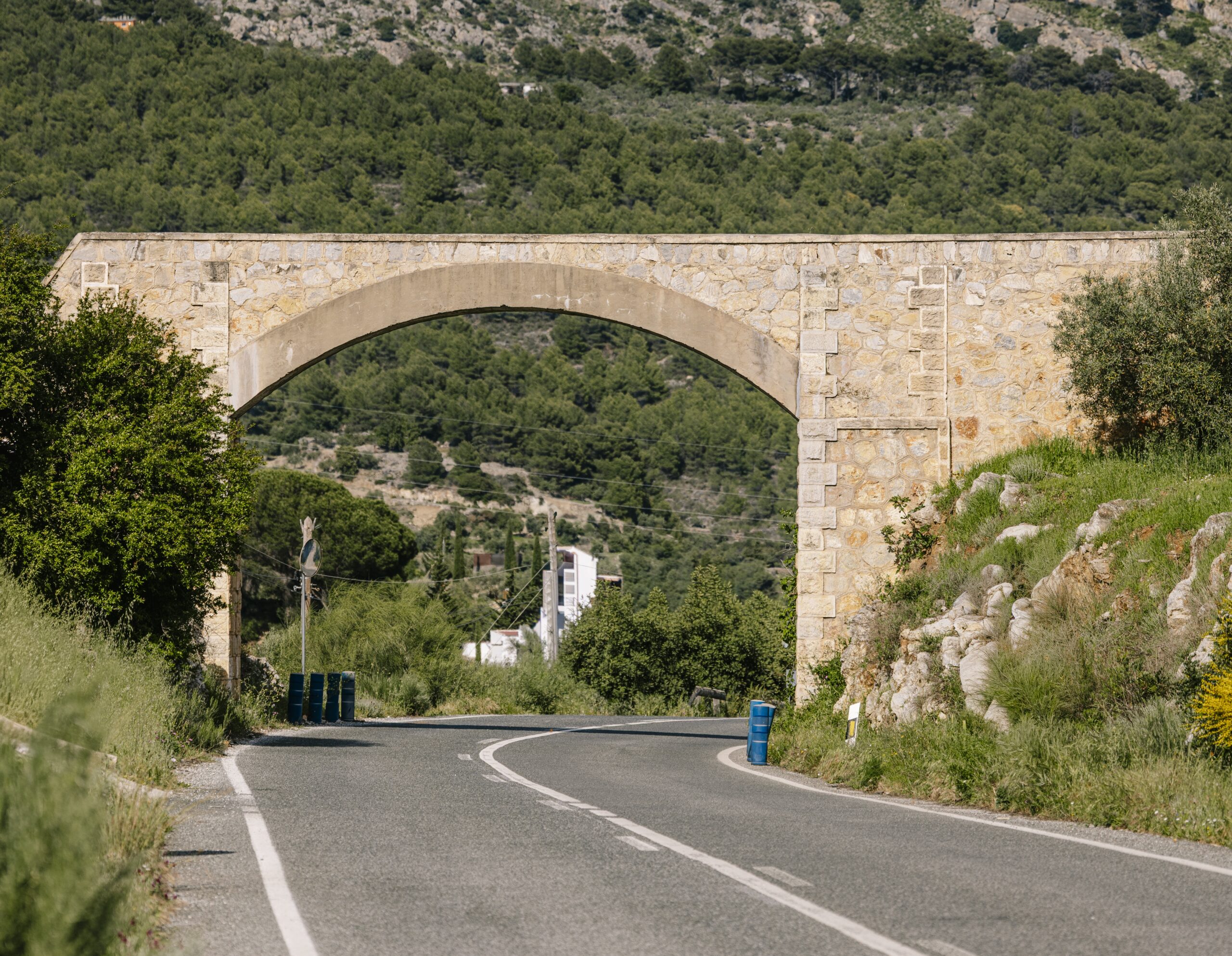
The waters originating in Zarzalones and Río Grande—the “Little Nile” of the Sierra de las Nieves—were also transformed into electricity as their flow drove the turbines of several hydroelectric plants, such as those at San Augusto and San Eugenio, which required major hydraulic engineering projects at the time that are now part of the hydraulic cultural heritage of the Sierra de las Nieves World Biosphere Reserve.

 Mancomunidad