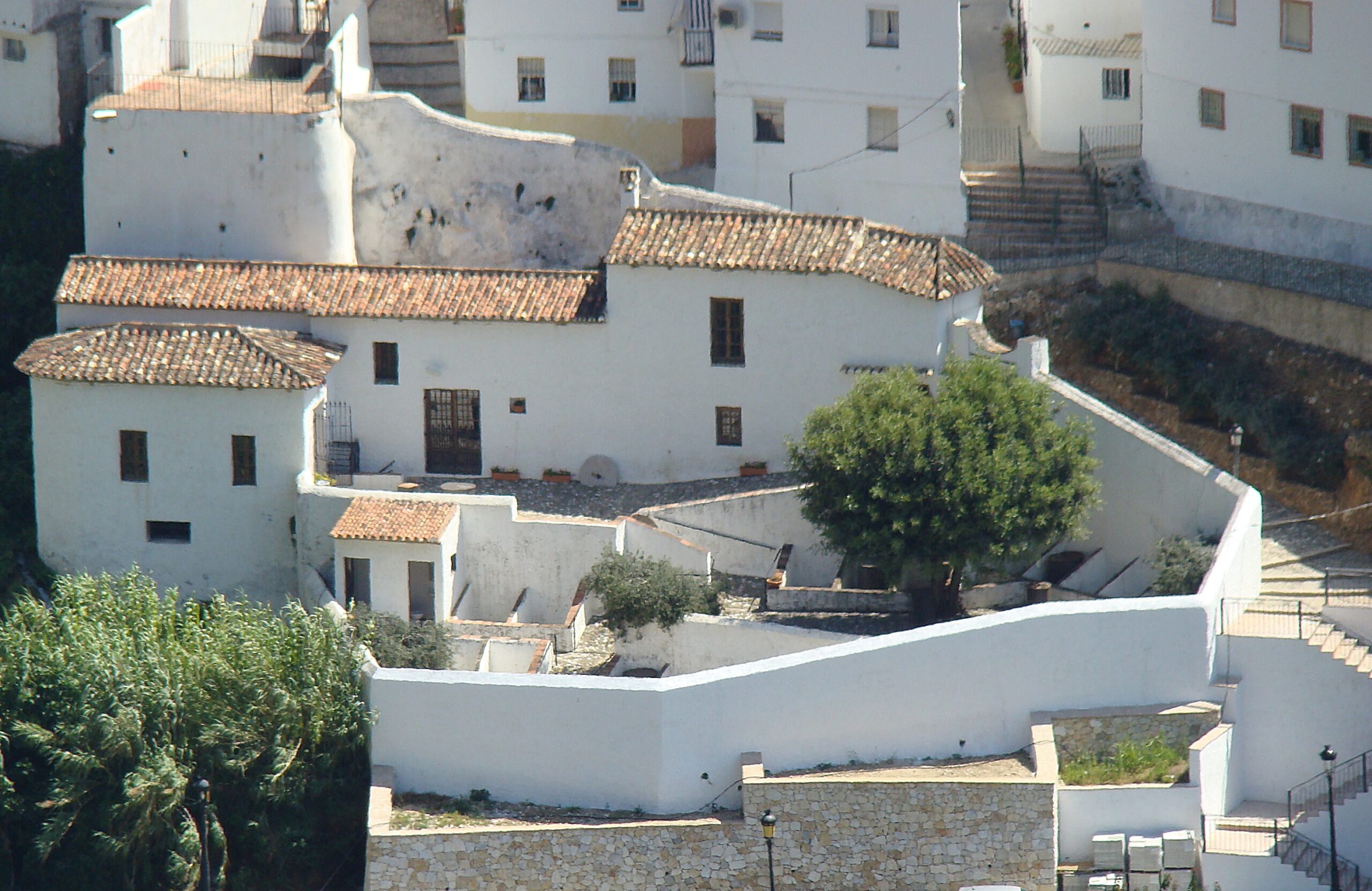
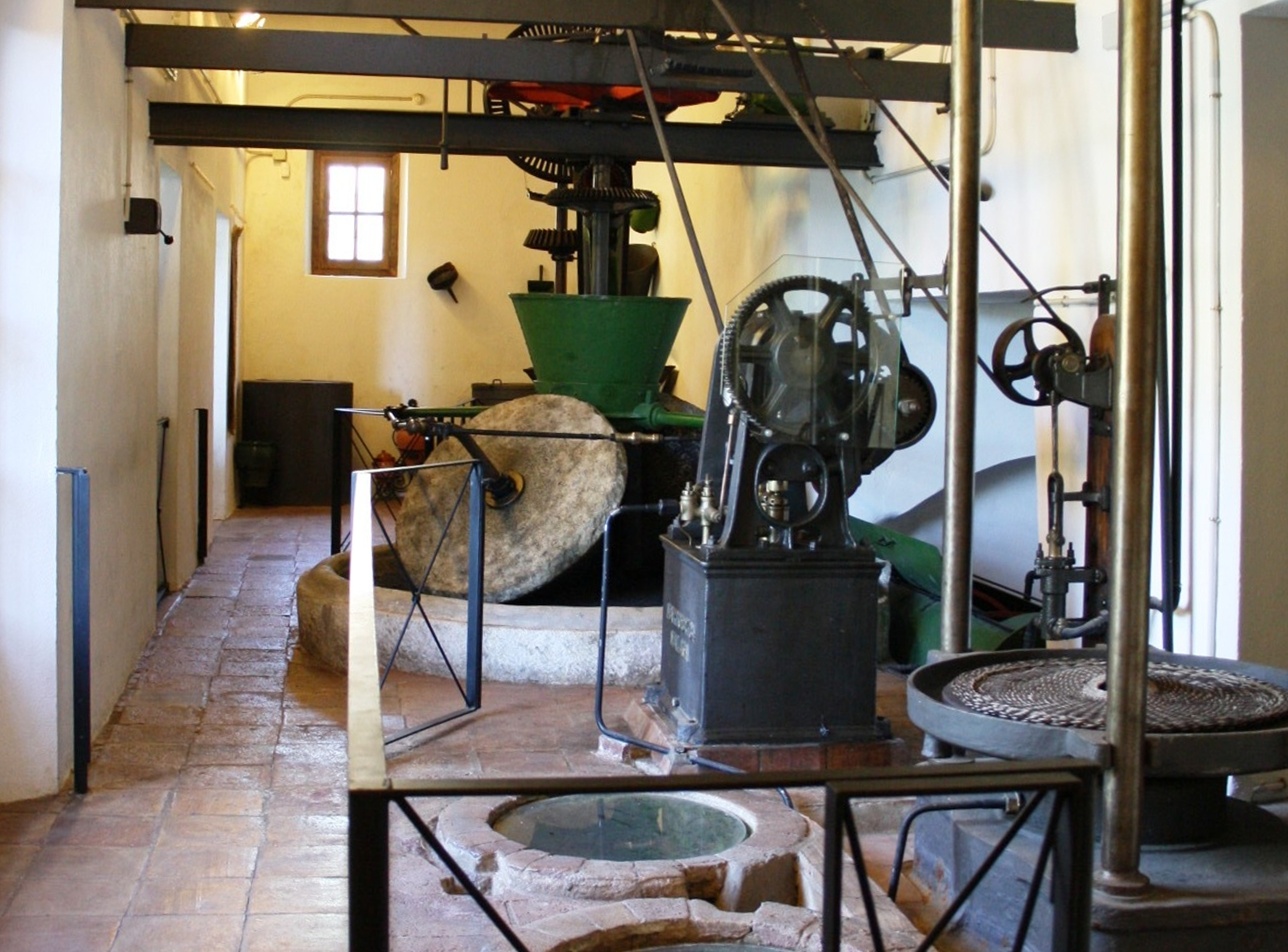

The El Molino Museum building is a truly unique structure and is closely linked to water, as it was originally an 18th-century water-powered flour mill with two mills and two sets of millstones. Like others that have been preserved in the surrounding area, on the banks of the Almadán River.
Over time, its function changed: from grinding grain to grinding olives to extract what is, par excellence, the liquid gold of Andalusia: olive oil. The complex consists of a large courtyard filled with storage bins—known as trojes or atrojes—for holding the olives before they are pressed, and the mill building itself, which comprises several rooms. Inside, it still houses all the original machinery, fully operational for olive milling: the stone mill, the mixer, the hydraulic press…
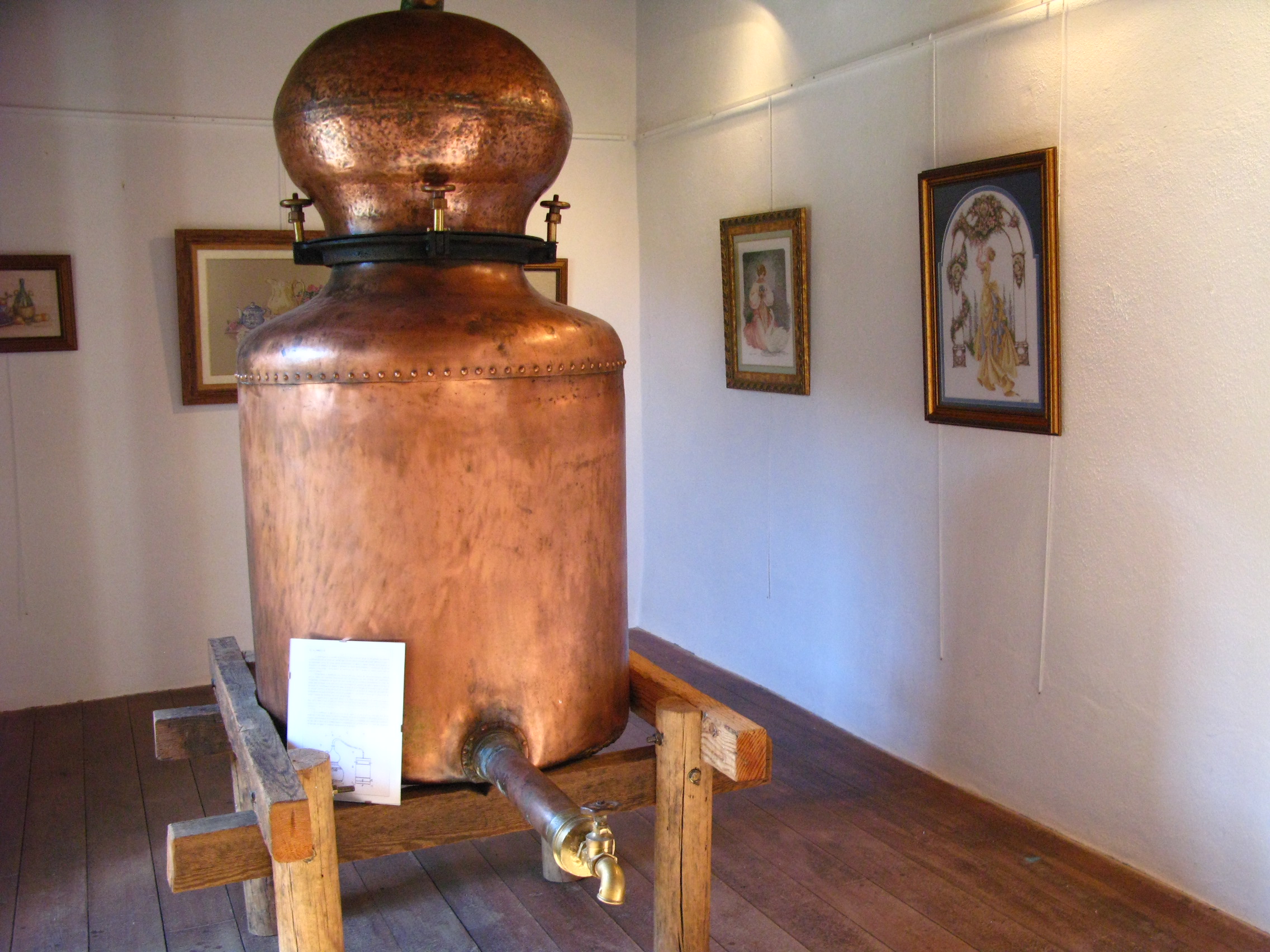
On an upper floor, we find the Aguardiente Museum, an interpretive space that tells the story of the importance of aguardiente production in Ojén between the 19th and 20th centuries, and the prominence achieved by the aguardiente produced by Pedro Morales, whose secret recipe has never been revealed and has never been matched. Ojén brandy achieved worldwide fame; it reached the Americas, found its way into the wealthiest and most noble homes in Europe, and was mentioned in the works of authors such as Camilo José Cela, Rosalía de Castro, and even Pablo Ruiz Picasso himself.
Although Ojén brandy is no longer produced, its brandy-soaked raisins remain very famous and delicious.
C. Charcas n60, Ojén
High
Media / Yes (schedule)


 Mancomunidad